Winter Gardening: Tips and Tricks for a Successful Cold-Weather Harvest

Winter gardening is a great way to keep your green thumb active throughout the colder months. While many people assume that gardening is only a warm-weather activity, there are actually plenty of plants that thrive in the winter. With a bit of planning and preparation, you can enjoy fresh produce and beautiful blooms all year long.
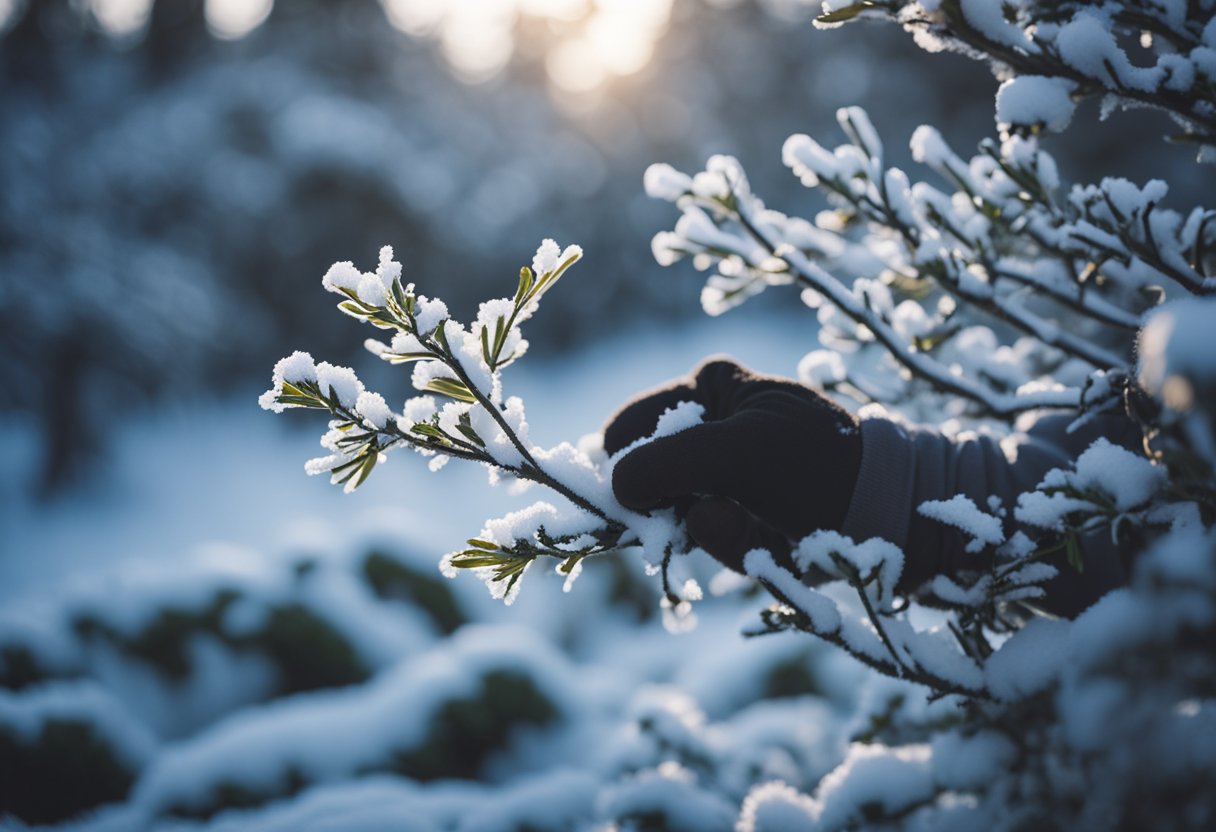
One of the keys to successful winter gardening is choosing the right plants. While many summer crops won’t survive the cold, there are plenty of vegetables that thrive in cooler temperatures. Some popular options include kale, spinach, and Brussels sprouts. Additionally, many herbs like parsley, cilantro, and chives can be grown indoors during the winter months.
Another important aspect of winter gardening is preparation. Since the weather can be unpredictable, it’s important to take steps to protect your plants from frost and freezing temperatures. This might include covering your garden beds with a layer of mulch, using frost blankets to protect individual plants, or even investing in a greenhouse. By taking the time to prepare properly, you can ensure that your winter garden will thrive despite the chilly weather.
Understanding Winter Climate and Microclimates
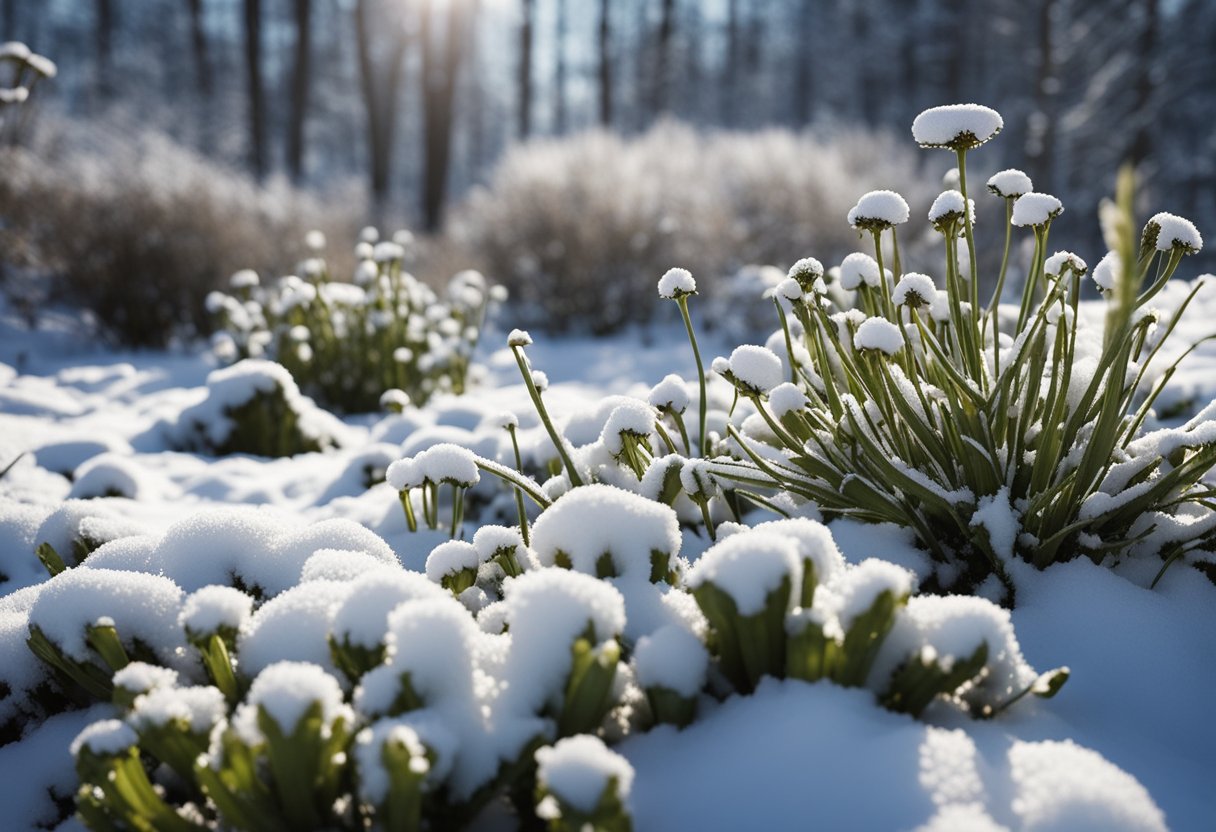
Winter gardening requires a good understanding of the seasonal climate and microclimates. Microclimates are small areas within a garden that have slightly different weather conditions than the surrounding areas. Understanding these areas can help gardeners choose the best plants for their garden and protect them from harsh winter weather.
One of the most important factors to consider when gardening in winter is the temperature. Different plants have different temperature requirements, and some plants are more tolerant of cold temperatures than others. Gardeners need to know the average winter temperature in their location and choose plants that can survive those conditions.
As mentioned earlier, In addition to the average temperature, gardeners should also consider microclimates. These can be created by a variety of factors, including buildings, trees, and other landscape features. For example, a south-facing wall can create a microclimate that is warmer than the surrounding area. Gardeners can use this to their advantage by planting more tender plants in these areas.
Another important factor to consider is moisture. Winter gardening can be challenging because of the lack of rain and snow. Gardeners need to make sure that their plants are getting enough water to survive. In some cases, gardeners may need to water their plants manually to ensure that they are getting enough moisture.
Finally, gardeners should consider the amount of light that their plants are getting. In winter, the days are shorter, and the amount of sunlight that plants receive is reduced. Gardeners should choose plants that are tolerant of low light conditions and consider using artificial lighting to supplement natural light.
By understanding the winter climate and microclimates, gardeners can choose the best plants for their garden and protect them from harsh winter weather. With a little planning and preparation, gardeners can enjoy a beautiful and productive winter garden.
Selecting the Right Plants for Winter Gardening
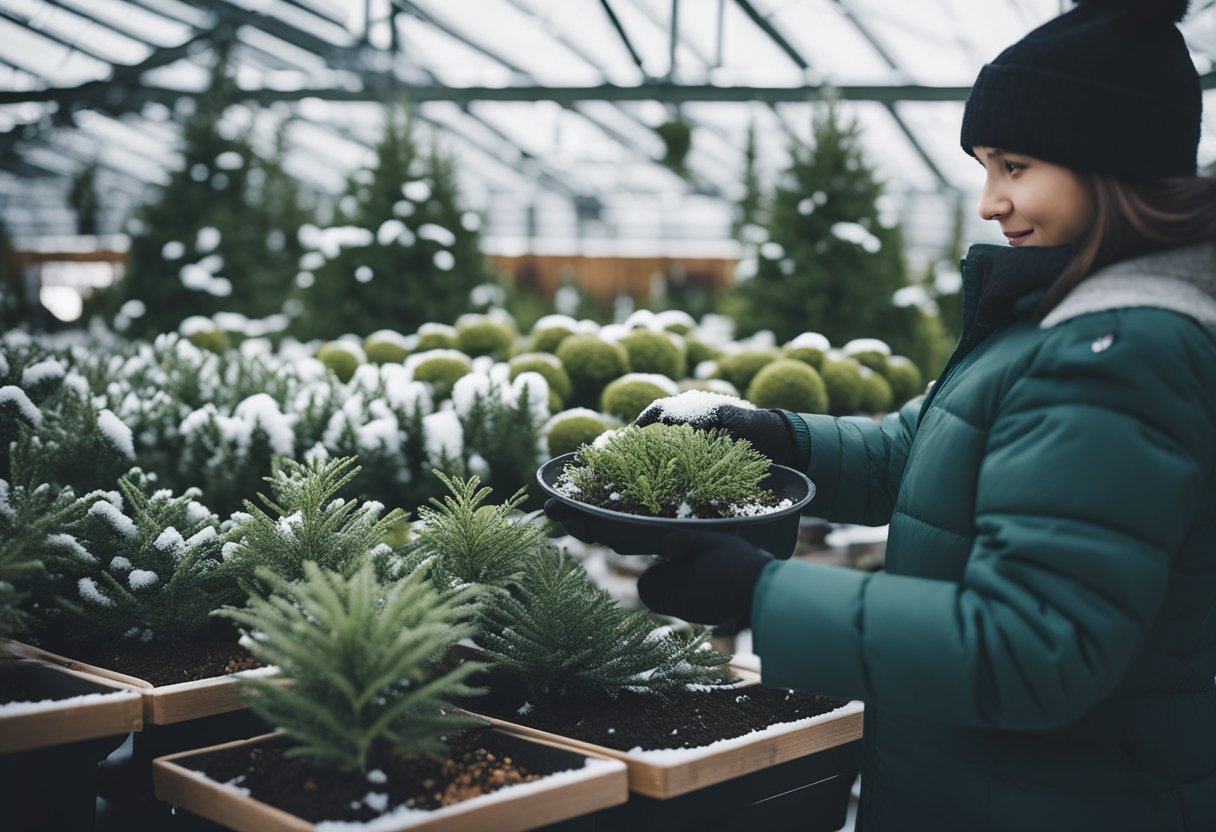
Winter gardening can be a rewarding experience, but it requires selecting the right plants that can thrive in colder temperatures. When choosing plants for a winter garden, it is important to consider their hardiness, their ability to withstand frost and cold temperatures, and their overall aesthetic appeal. In this section, we will discuss some of the best plants for winter gardening, including hardy vegetables, winter flowers and ornamentals, and herbs that thrive in cold weather.
Hardy Vegetables
Hardy vegetables are a great choice for winter gardening, as they can withstand frost and continue to grow throughout the winter season. Some of the best hardy vegetables for winter gardening are in this book and include:
- Kale: Kale is a nutrient-dense vegetable that can withstand cold temperatures and even frost. It is a great source of vitamins A and C, as well as calcium and iron.
- Carrots: Carrots are another hardy vegetable that can be grown throughout the winter season. They are a great source of vitamin A, and can be used in a variety of dishes.
- Brussels Sprouts: Brussels sprouts are a cold-tolerant vegetable that can be harvested throughout the winter season. They are a good source of vitamin C and fiber.
Winter Flowers and Ornamentals
Winter flowers and ornamentals can add color and beauty to a winter garden. Some of the best winter flowers and ornamentals include:
- Pansies: Pansies are a colorful flower that can withstand cold temperatures. They come in a variety of colors and can be used in garden beds or containers.
- Hellebores: Helleboresare a winter-blooming flower that can add color to a winter garden. Available in a range of colors, and can be grown in garden beds or containers.
- Winter Jasmine: Winter jasmine is a hardy shrub that blooms in the winter months. It has bright yellow flowers, and can be grown in garden beds or containers.
Herbs That Thrive in Cold Weather
Many herbs can thrive in cold weather, making them a great addition to a winter garden. Some of the best herbs for winter gardening include:
- Rosemary: Rosemary is a hardy herb that can be grown throughout the winter season. It is a great addition to many dishes and can be used fresh or dried.
- Thyme: Thyme is another hardy herb that can be grown throughout the winter season. It is a great addition to many recipes. Try it fresh for a great flavor.
- Sage: Sage is a hardy herb that can be grown during the winter season and is used in many dishes. Use it fresh to season sausages etc or add to traditional stuffing. You can even dry most herbs if more convenient.
Overall, selecting the right plants is crucial for creating a successful winter garden. By choosing hardy vegetables, winter flowers and ornamentals, and herbs that thrive in cold weather, gardeners can create a stunning and inviting outdoor space even during the winter months.
Soil Preparation and Maintenance in Winter
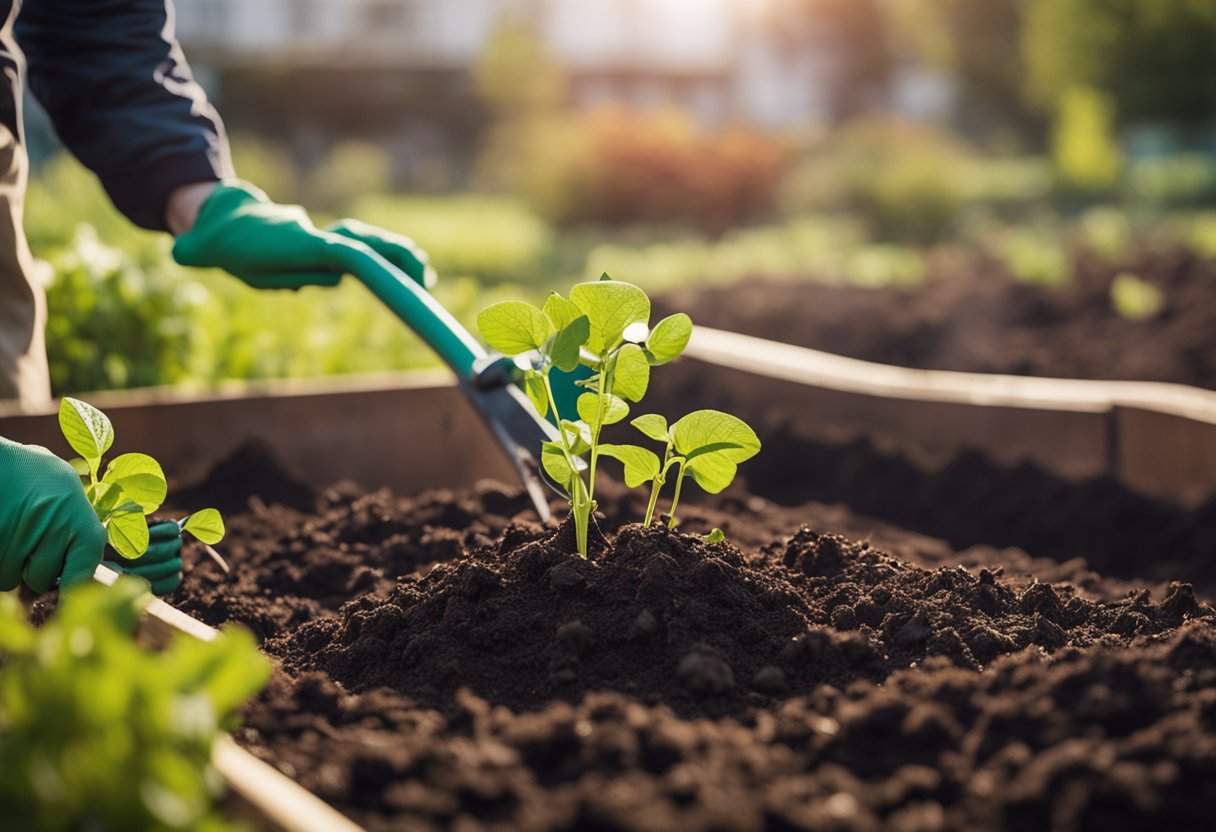
Winter is a time of dormancy for many plants, but that doesn’t mean that gardeners can’t take steps to prepare for the coming growing season. One important aspect of winter gardening is soil preparation and maintenance. By amending soil before planting and mulching for insulation and moisture control, gardeners can ensure that their soil is healthy and ready for spring planting.
Amending Soil Before Planting
Amending soil before planting is an important step in winter gardening. By adding organic matter to the soil, gardeners can improve soil structure, increase soil fertility, and promote healthy plant growth. Some common organic amendments include compost, manure, and leaf mold. These amendments can be added to the soil in the fall or early winter, and allowed to decompose over the winter months.
Gardeners can also add mineral amendments to their soil to improve soil fertility. Lime can be added to acidic soil to raise the pH, while sulfur can be added to alkaline soil to lower the pH. Other mineral amendments include rock phosphate, bone meal, and greensand.
Mulching for Insulation and Moisture Control
Mulching is another important aspect of winter gardening. By covering the soil with a layer of organic material, gardeners can help to insulate the soil and protect it from extreme temperatures. Mulch can also help to retain moisture in the soil, reducing the need for watering.
Some common mulching materials include straw, leaves, and wood chips. These materials can be applied to the soil in the fall or early winter, and left in place until the spring. Gardeners should be sure to apply a thick layer of mulch, at least 2-3 inches deep, to provide adequate insulation and moisture control.
In conclusion, soil preparation and maintenance is an important aspect of winter gardening. By amending soil before planting and mulching for insulation and moisture control, gardeners can ensure that their soil is healthy and ready for spring planting.
Planting Techniques for Cold Weather
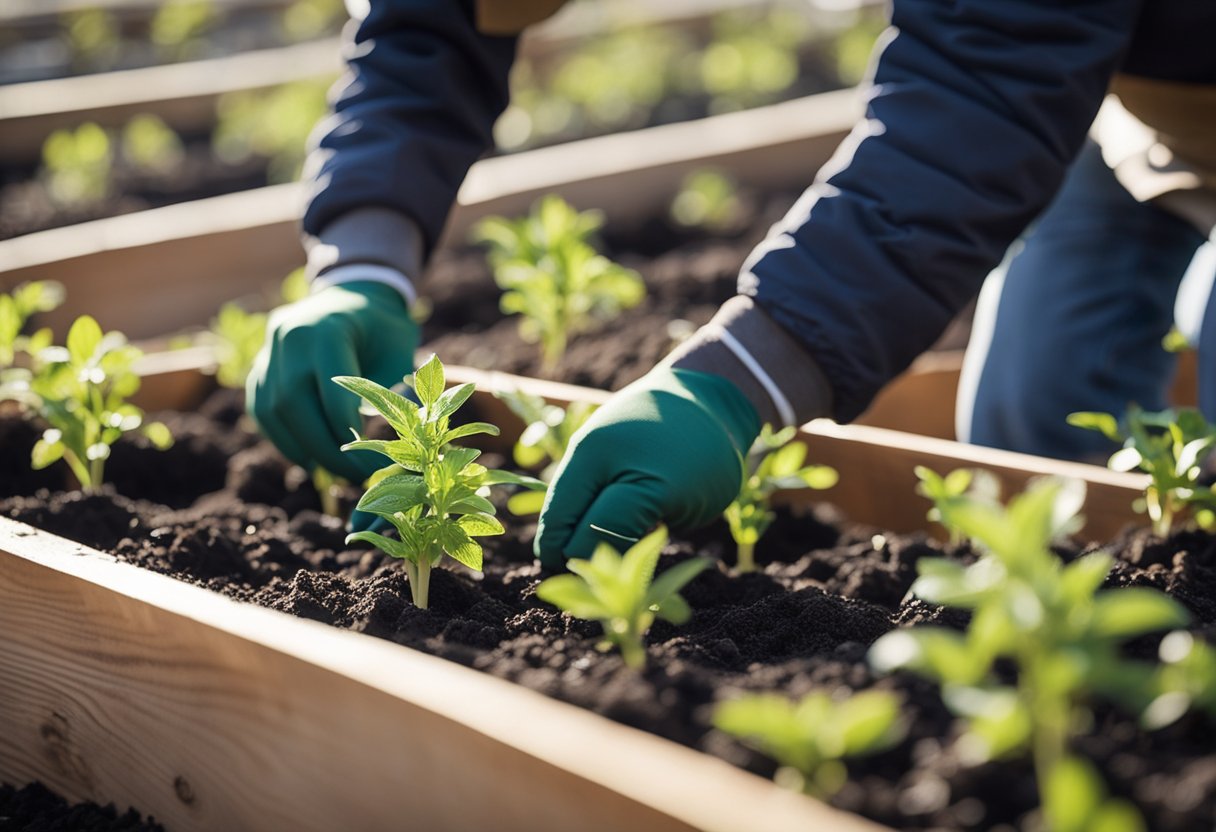
Winter gardening requires a different approach to planting than traditional gardening. Here are some planting techniques that can help ensure a successful winter crop.
Timing for Winter Crop Planting
Timing is crucial when it comes to planting winter crops. Gardeners should plant their winter crops at least 6 to 8 weeks before the first expected frost. This will give plants enough time to establish themselves before the cold weather sets in.
It’s important to note that different crops have different planting times. For example, garlic should be planted in the fall, while spinach should be planted in late summer. Gardeners should consult seed packets or gardening guides for specific planting times for each crop. A vegetable planner can be invaluable in knowing when to plant certain varieties. Learn more here
Using Cold Frames and Greenhouses
Cold frames and greenhouses are essential tools for winter gardening. These structures can help protect plants from the harsh winter weather and extend the growing season.
Cold frames are simple structures that consist of a frame and a clear top. They can be used to start seedlings or to protect plants from frost. Greenhouses are larger structures that can be used to grow a wider variety of crops. They can be heated or unheated, depending on the gardener’s needs.
When using a cold frame or greenhouse, it’s important to monitor the temperature and humidity levels. Gardeners should also ensure that plants are receiving enough light and water.
By using these planting techniques, gardeners can successfully grow crops throughout the winter months.
Watering Strategies for Winter Gardens
Winter gardening can be a challenge, especially when it comes to watering. It’s important to find the right balance between keeping the soil moist and avoiding overwatering, which can lead to root rot. Here are some watering strategies to help keep your winter garden healthy:
1. Water When the Soil is Dry to the Touch
As a rule of thumb, water your winter garden when the soil is dry to the touch. This will help prevent overwatering and ensure that your plants are getting the moisture they need. However, be sure to avoid letting the soil stay too dry for too long, as this can stress your plants and make them more susceptible to damage from cold temperatures.
2. Water During the Warmest Part of the Day
Watering your winter garden during the warmest part of the day can help prevent the water from freezing on the leaves and stems of your plants. This can also help ensure that the water is absorbed by the soil before it has a chance to freeze.
3. Use Mulch to Retain Moisture
Using mulch in your winter garden can help retain moisture in the soil and protect your plants’ roots from freezing temperatures. Organic mulches such as straw, leaves, or wood chips can also help improve soil structure and provide nutrients to your plants as they break down over time.
4. Avoid Watering in Freezing Temperatures
Avoid watering your winter garden when temperatures are below freezing, as this can cause the water to freeze on the leaves and stems of your plants. This can damage the plant tissue and make it more susceptible to disease and pests.
5. Adjust Watering Frequency Based on Weather Conditions
Adjust your watering frequency based on weather conditions. If it’s been a particularly dry winter, you may need to water more frequently. If there has been a lot of snow or rain, you may be able to water less often. Keep an eye on your plants and soil to determine when they need water.
Pest and Disease Management During Winter
Winter gardening can be a challenging task, especially when it comes to pest and disease management. Although the cold temperatures and shorter days may slow down the growth of plants, it does not mean that pests and diseases will not be a problem. Here are some ways to manage pests and diseases during the winter season.
Clean Up the Garden
One of the best ways to prevent pests and diseases during the winter season is to clean up the garden. Remove any dead plant material, fallen leaves, and debris from the garden. This will help to eliminate any hiding places for pests and diseases. Be sure to dispose of the debris properly, either by composting or by placing it in the trash.
Use Row Covers
Row covers are a great way to protect plants from pests and diseases during the winter season. They are made from lightweight fabric and can be placed over plants to create a physical barrier that prevents pests from reaching them. Row covers also help to retain heat and moisture, which is especially important during the winter season.
Apply Organic Pesticides
Organic pesticides can be used to manage pests and diseases during the winter season. These pesticides are made from natural ingredients and are safe for the environment. Some common organic pesticides include neem oil, insecticidal soap, and pyrethrin. Be sure to follow the instructions on the label when applying these pesticides.
Monitor Plants
It is important to monitor plants during the winter season for any signs of pests or diseases. Check plants regularly for any discoloration, wilting, or unusual growth. If you notice any problems, take action immediately to prevent the spread of pests or diseases.
By following these tips, gardeners can manage pests and diseases during the winter season and ensure that their plants remain healthy.
Winter Garden Care and Maintenance
Pruning
Winter is an excellent time to prune deciduous trees and shrubs. Pruning helps maintain the shape of the plant, promotes healthy growth, and removes any dead or diseased wood. It is important to use sharp and clean tools to avoid damaging the plant. The best time to prune is when the plant is dormant, which is usually in late winter or early spring.
When pruning, it is important to remove any branches that are crossing or rubbing against each other. This will help prevent damage to the bark and reduce the risk of disease. It is also important to remove any branches that are growing towards the center of the plant, as this can cause overcrowding and reduce air circulation.
Fertilizing
Winter is a good time to fertilize the soil in preparation for spring planting. It is important to choose a fertilizer that is appropriate for the type of plants you will be growing. A slow-release fertilizer is a good option as it will provide nutrients to the soil over a longer period of time.
Before applying fertilizer, it is important to test the soil to determine its pH level. This will help ensure that the soil is not too acidic or alkaline, which can affect the growth of plants. It is also important to follow the instructions on the fertilizer package and not to over-fertilize, as this can damage the plants.
In addition to fertilizing, it is important to add organic matter to the soil, such as compost or well-rotted manure. This will help improve soil structure, retain moisture, and provide nutrients to the plants.
Overall, winter garden care and maintenance is important to ensure healthy growth and a bountiful harvest in the spring and summer. By pruning and fertilizing appropriately, gardeners can prepare their soil and plants for the coming growing season.
Harvesting and Using Winter Produce
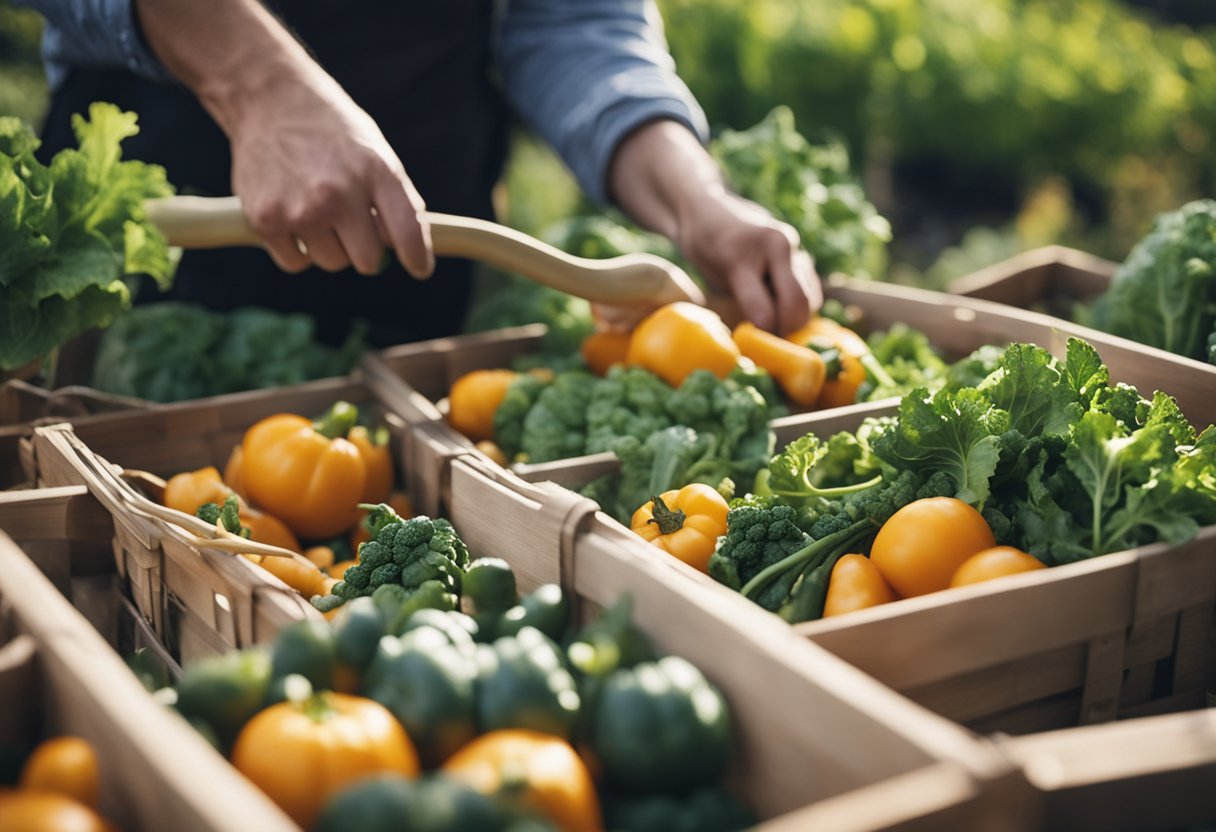
Winter gardening can be a rewarding experience, especially when it comes time to harvest the produce. Here are some tips on how to harvest and use winter produce:
Timing
Timing is key when it comes to harvesting winter produce. It’s important to wait until the produce is fully ripe before harvesting. This ensures that the produce is at its peak flavor and nutritional value. Some winter produce, such as kale, can be harvested multiple times throughout the season. It’s important to harvest the outer leaves first, allowing the inner leaves to continue growing.
Storage
Proper storage is essential for winter produce. Many winter vegetables, such as carrots and beets, can be stored in a cool, dry place for several weeks. Others, such as Brussels sprouts and cabbage, can be stored in the refrigerator for up to a few weeks. Root vegetables, such as potatoes and onions, can be stored on racks in a cool, dry, dark place for several months. Ensure all vegetables are dry before storing to avoid mildew and rot. Check regularly and discard any showing signs of decay. Also, look out for rodent damage if stored in an outbuilding.
Using Winter Produce
Winter produce can be used in a variety of dishes. Roasting vegetables, such as carrots, beets, and Brussels sprouts, brings out their natural sweetness and makes for a delicious side dish. Soups and stews are also a great way to use winter produce. Kale and other leafy greens can be added to soups and stews for a nutritional boost. Winter squash can be used in a variety of dishes, from soups to casseroles.
In summary, harvesting and using winter produce can be a fun and rewarding experience. Timing, storage, and usage are all important factors to consider when it comes to winter gardening. With a little bit of planning and preparation, you can enjoy fresh, nutritious produce all winter long.
Preparing the Garden for Spring
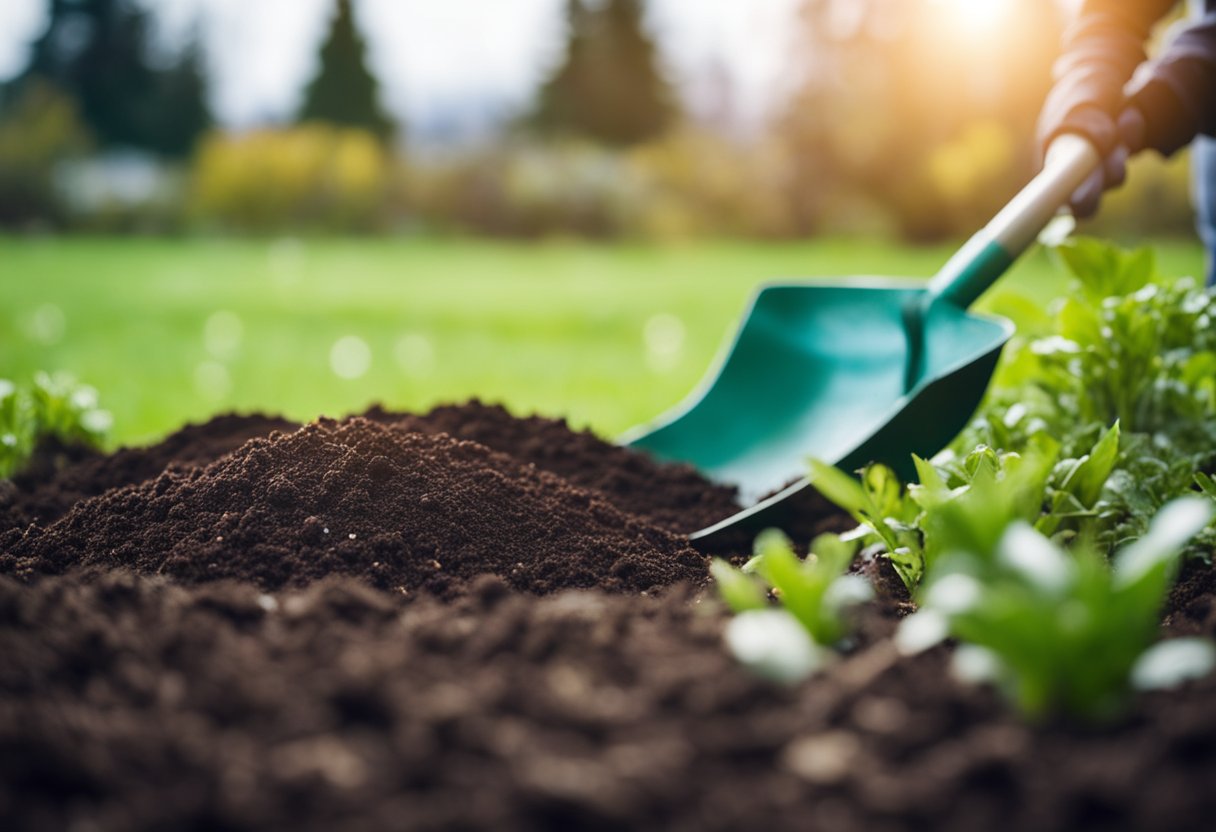
As winter comes to an end, it’s time to start thinking about preparing your garden for spring. This is the time to get your garden ready for the growing season ahead.
Clearing the Garden
The first step in preparing your garden for spring is to clear any debris that may have accumulated over the winter months. Remove any dead leaves, branches, and other debris that may have fallen on the ground. This will help prevent any diseases from spreading and will also make it easier to start planting in the spring.
Soil Preparation
The next step is to prepare the soil for planting. Start by testing the soil to determine its nutrient content and pH level. This will help you determine what type of fertilizer and soil amendments you need to add to the soil. The HSLGOVE 4 -in-1 is a great instrument for testing your soil, will do all you need as a start, and is reasonably priced.
Once you know what your soil needs, you can begin to prepare it for planting. Start by removing any weeds or grass that may have grown over the winter months. Then, add compost, manure, or other organic matter to the soil to improve its texture and fertility.
Planting
Once the soil is prepared, it’s time to start planting. Start by planting cool-season vegetables such as lettuce, spinach, and peas. These vegetables can be planted as soon as the soil can be worked in the spring.
As the weather warms up, you can start planting warm-season vegetables such as tomatoes, peppers, and squash. Be sure to follow the planting instructions for each vegetable to ensure that they grow properly.
Maintenance
After planting, it’s important to maintain your garden throughout the growing season. This includes watering, fertilizing, and weeding as needed. Regular maintenance will help ensure that your garden stays healthy and productive throughout the season.
In conclusion, preparing your garden for spring is an important step in ensuring a successful growing season. By clearing the garden, preparing the soil, planting, and maintaining your garden, you can enjoy fresh vegetables and a beautiful garden all season long.
Frequently Asked Questions
How can I grow vegetables indoors during the winter?
Growing vegetables indoors during the winter is a great way to enjoy fresh produce all year round. To start, select a sunny spot in your home that receives at least 6 hours of sunlight daily. Next, choose vegetables that can thrive in indoor conditions such as lettuce, spinach, kale, and herbs. Use containers with drainage holes and fill them with a good quality potting mix. Water your plants regularly and add fertilizer as needed. You could also consider trying a small Aquaponics or hydroponics system for indoor growing. See our beginner guide here.
What steps should I take to prepare my garden for winter?
Preparing your garden for winter is essential to ensure that your plants survive the colder months. Start by removing any dead or diseased plants, weeds, and debris. Cut back any perennials and shrubs and add a layer of compost to the soil. Cover your garden beds with mulch to protect the soil from frost and prevent weeds from growing.
Which flowers are best suited for a winter garden?
Winter gardens can be just as beautiful as summer gardens with the right selection of flowers. Some of the best flowers for a winter garden include pansies, violas, snapdragons, and winter jasmine. These flowers can add a splash of color to your garden and can withstand colder temperatures.
When is the ideal time to start planting a winter garden?
The best time to start planting a winter garden depends on the climate in your area. In general, it is best to start planting in the late summer or early fall to allow the plants to establish themselves before the colder temperatures arrive. Check the planting guide for your specific region to determine the best time to start planting.
What vegetables are hardy enough to plant during the winter months?
There are many vegetables that can be planted during the winter months including kale, spinach, lettuce, carrots, and radishes. These vegetables can tolerate colder temperatures and can be harvested throughout the winter. Be sure to choose varieties that are suitable for your climate and follow the planting instructions carefully.
How do I properly prepare a raised bed garden for the winter season?
Preparing a raised bed garden for the winter is similar to preparing a traditional garden bed. Remove any dead or diseased plants, weeds, and debris. Cut back any perennials and shrubs and add a layer of compost to the soil. Cover the soil with mulch to protect it from frost and prevent weeds from growing. If you live in an area with harsh winters, consider adding a layer of straw or leaves on top of the mulch for extra insulation. If you are new to raised bed gardening this book is a great resource to start you off with step-by-step instructions to set up your own raised beds and containers.
Some of the links in posts are affiliate links. We only recommend information or products of the highest quality from resources we trust. Disclaimer
Together, we can make it- ‘Easy Peasy Gardening’ for you!
Happy gardening! 🌻