Edible Landscaping: Transforming Your Garden into a Food Haven
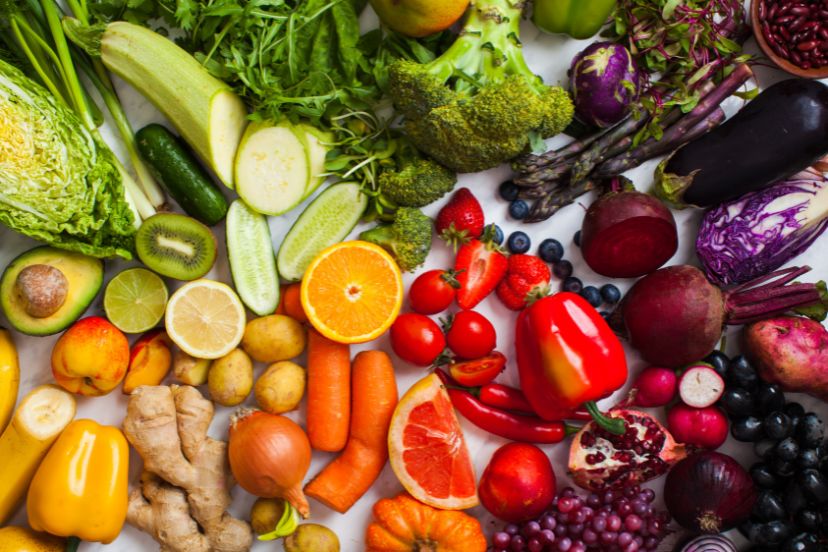
Edible landscaping is the innovative practice of integrating food-producing plants into your landscape. This approach allows you to combine the aesthetic qualities of traditional ornamental gardening with the practical benefits of growing your own food. By planning and planting edible varieties, you not only enhance the beauty of your surroundings but also contribute to a sustainable lifestyle. Including vegetables, fruits, herbs, and edible flowers in your garden design offers a bountiful mix of textures, colors, and flavors, turning your yard into a vibrant, multipurpose space.

Your edible landscape can be as simple as planting dwarf fruit trees in place of ornamentals or as complex as creating an elaborate garden complete with pathways and companion planting. The key is to choose the right plants for your climate, soil, and the unique conditions of your garden. Soil preparation and choosing the right planting techniques are crucial for establishing a successful edible landscape. As you maintain your ecosystem, using organic methods will help promote plant health and productivity.
Key Takeaways
- Edible landscaping merges aesthetics with functionality, allowing you to grow food beautifully.
- Plant selection and proper soil preparation are critical for a thriving edible garden.
- Regular maintenance ensures a continuous supply of fresh produce from your landscape.
Planning Your Edible Landscape
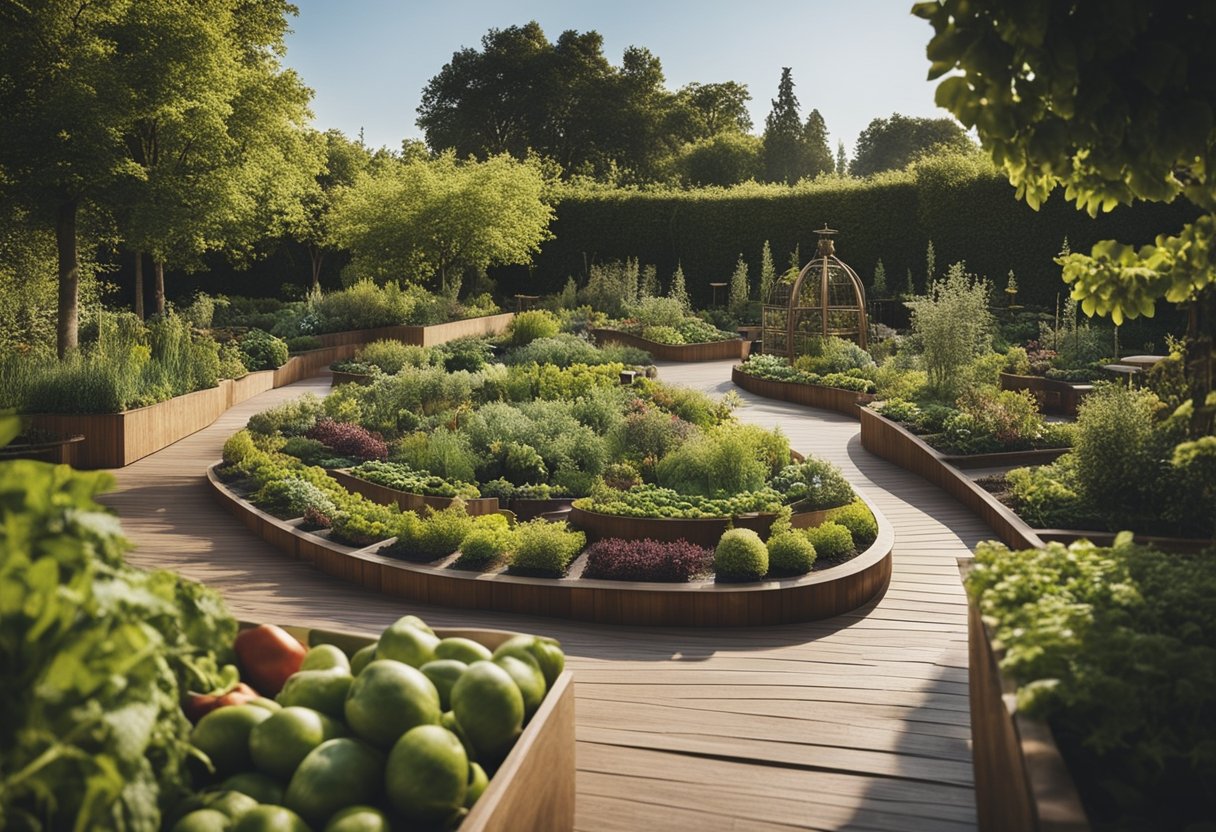
Before you start planting, it is crucial to strategically plan your garden space. Considering factors like sunlight, climate, and soil will play a significant role in the success of your plants. Learn more Here
Selecting the Right Location
Sunlight and Climate: Your edible landscape’s location is paramount. Most fruit and vegetable plants require a minimum of six hours of direct sunlight per day. Assess your space to identify areas that meet this requirement. Additionally, understanding your local climate and hardiness zone is essential for choosing plants that will thrive.
Soil and Microclimate: Examine the soil in your chosen location for good drainage and fertility. Certain areas of your yard may have unique microclimates influenced by factors such as shade from buildings and wind protection, which can affect what plants will grow best there.
Designing for Aesthetics and Functionality
Layout: Aim for a design that combines aesthetics with practicality. Create paths for easy access and consider the mature size of plants to avoid overcrowding. See our articles on Raised Beds and Beautiful Backyards
Plant Selection: Choose a mix of perennials and annuals that will not only provide a harvest but also enhance your garden’s beauty year-round. Incorporating different plant heights and colors can add dimension and appeal to your space.
When meticulously planned, your edible landscape can be both a bountiful and beautiful addition to your yard.
Choosing Plants for Your Edible Landscape
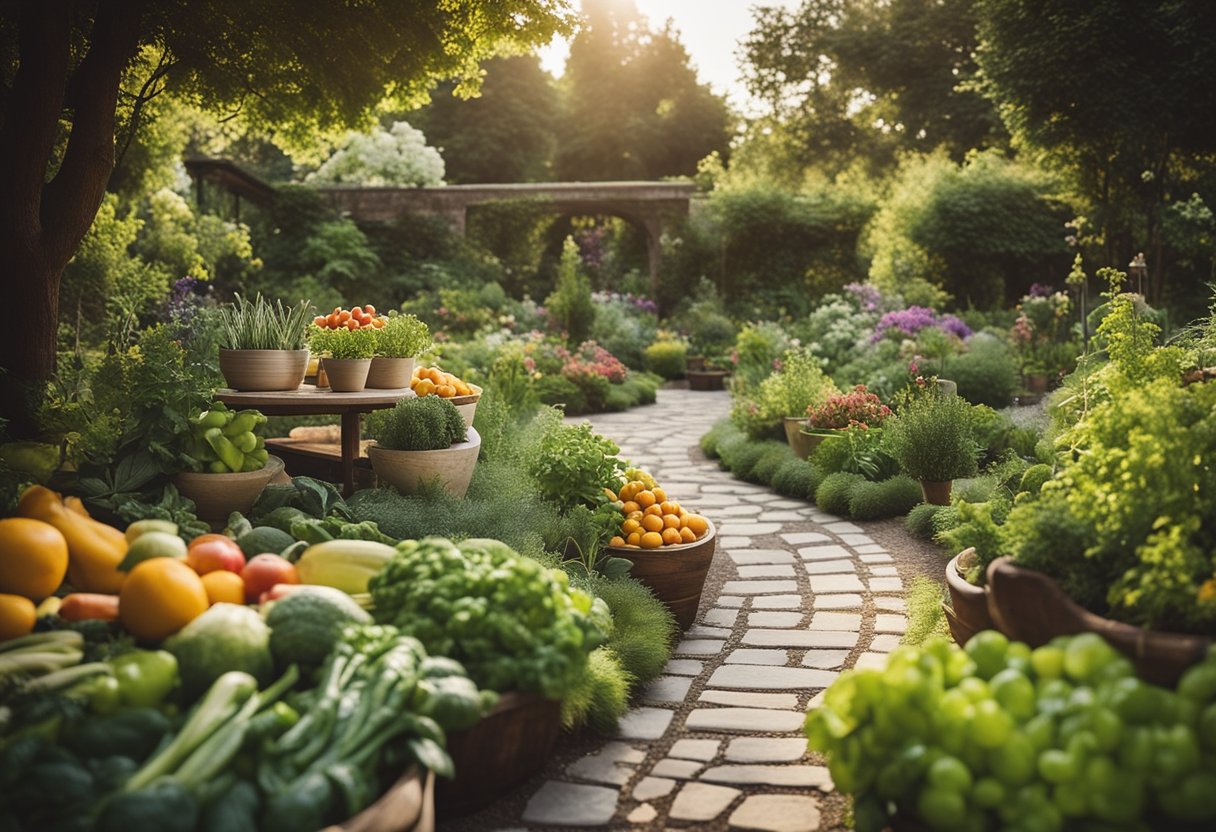
When planning your edible landscape, it’s important to select plants that both thrive in your climate and meet your aesthetic and culinary needs. From towering fruit trees to versatile herbs, each plant should contribute to the garden’s functionality and beauty.
Incorporating Fruits and Fruit Trees
Fruits and fruit trees can serve as stunning focal points and offer seasonal treats. Consider dwarf or semi-dwarf varieties if space is limited.
- Apples: Choose varieties that grow well in your area, paying attention to chill hours required.
- Citrus: In warmer climates, lemon and orange trees can be both ornamental and productive.
For smaller spaces, opt for:
- Berry bushes: Raspberries and blueberries provide delicate flowers and nutritious snacks.
Utilizing Vegetables and Herbs
Vegetables and herbs are the backbone of edible landscaping. They can be both decorative and practical.
- Leafy greens: Lettuce and kale can add texture and color variety.
- Root vegetables: Carrots and beets have attractive foliage, turning the soil into a treasure chest.
Herbs are a staple:
- Basil: With its lush green leaves, it’s a versatile culinary herb.
- Rosemary: Hardy with fragrant foliage ideal for borders or hedges.
Adding Edible Flowers and Ground Covers
Edible flowers and ground cover plants fill in the gaps, creating a seamless edible landscape.
- Nasturtiums: These colorful flowers are spicy and can easily be tucked into borders.
- Strawberries: As a ground cover, they offer sweet fruits and attractive foliage.
Mint: It’s fragrant and spreads quickly, but beware it can become invasive; consider confining it to pots.
Soil Preparation and Planting Techniques
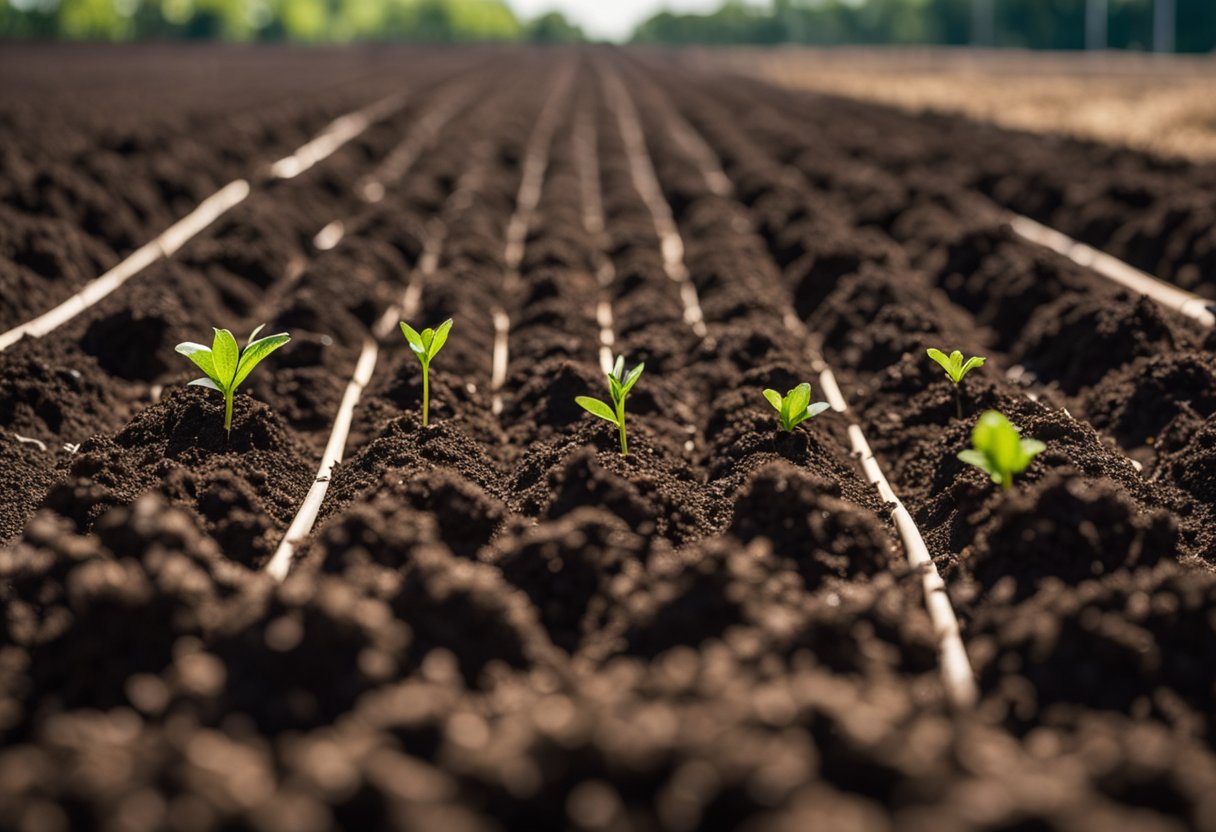
Successful edible landscaping relies on robust soil preparation and strategic planting approaches. To cultivate a thriving garden, you need to focus on enriching the soil and adopting effective planting strategies.
Soil Enrichment and Maintenance
Soil Enrichment: Begin by testing your soil to identify its pH and nutrient levels, which informs how you amend it for optimal plant growth. Incorporate organic matter such as compost, which can be added twice a year to replenish nutrients and enhance soil structure. This step is crucial, especially if you’re utilizing raised beds, as it ensures controlled soil quality and drainage.
- Add 1 to 2 inches of compost to your garden beds.
- Perform soil tests annually to monitor conditions.
Maintenance: Regularly check the moisture level of your soil—it should feel damp but not waterlogged. Mulching helps retain soil moisture and suppress weeds, benefiting both in-ground plantings and raised beds.
- Apply a layer of mulch around your plants.
- Water as needed, ensuring consistency for young seedlings.
Effective Planting Strategies
Seeds vs. Seedlings: Decide whether to plant seeds directly into the garden or start with seedlings. For certain crops, sowing seeds directly into the soil after the last frost is recommended to avoid transplant shock. For others, particularly perennials that require a longer growth period, using seedlings may give you a head start.
- Direct sowing is suitable for crops like carrots and beans.
- Use seedlings for slow growers like asparagus and berries.
Plant Arrangement: Plan your plantings carefully, taking into account the amount of sunlight each plant requires. Place taller plants such as fruit trees to the north to prevent shading out smaller, sun-loving plants. Remember, the setup of Raised Beds can greatly influence your planting design by elevating certain plants for easier access and maintenance.
- Arrange plants to maximize light exposure.
- Utilize vertical space with trellises for climbers like peas and tomatoes.
Maintaining Your Edible Landscape
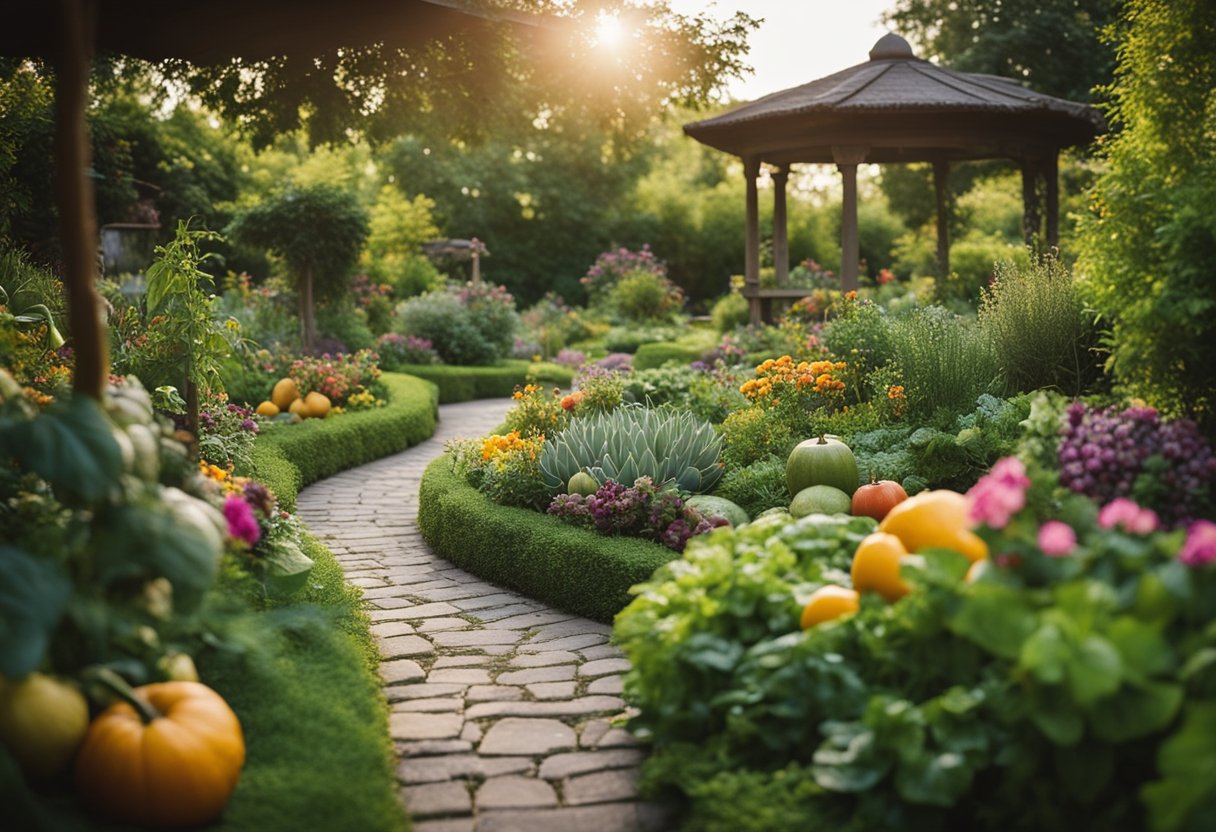
Maintaining an edible landscape requires consistent effort to ensure your plants not only survive but thrive. Proper water management and pest control are crucial to the health and productivity of your edible garden.
Irrigation and Water Management
Efficient water management is pivotal for your edible landscape’s success. Irrigation should be tailored to the needs of each specific plant type in your garden:
- Drip irrigation: Provides water directly to the roots, minimizing waste and reducing evaporation.
- Mulching: Helps retain soil moisture and reduce water frequency needs.
- Watering schedule: Adjust according to weather conditions, with more frequent watering during dry spells.
Remember, over-watering can be just as harmful as under-watering. Therefore, it’s essential to know the water requirements of your edible plants and monitor soil moisture regularly.
Pest Control and Plant Health
A healthy edible landscape is a productive one, and that health is often threatened by pests. Here’s how you can manage pests:
- Regular inspections: Catch issues early by checking your plants frequently for signs of pests.
- Integrated pest management (IPM): Use a combination of biological, cultural, physical, and chemical tools to manage pests in an environmentally responsible way.
- Natural predators: Encourage beneficial insects that prey on harmful pests.
- Pesticides: If necessary, opt for organic pesticides to minimize harm to the environment and your edible crops.
When dealing with pests, the goal is not to eradicate but to manage them to levels that do not cause significant harm to your plants. Always read labels and follow guidelines when using pesticides or other chemical interventions to ensure the safety of your plants and your health.
Harvesting and Utilizing Your Bounty
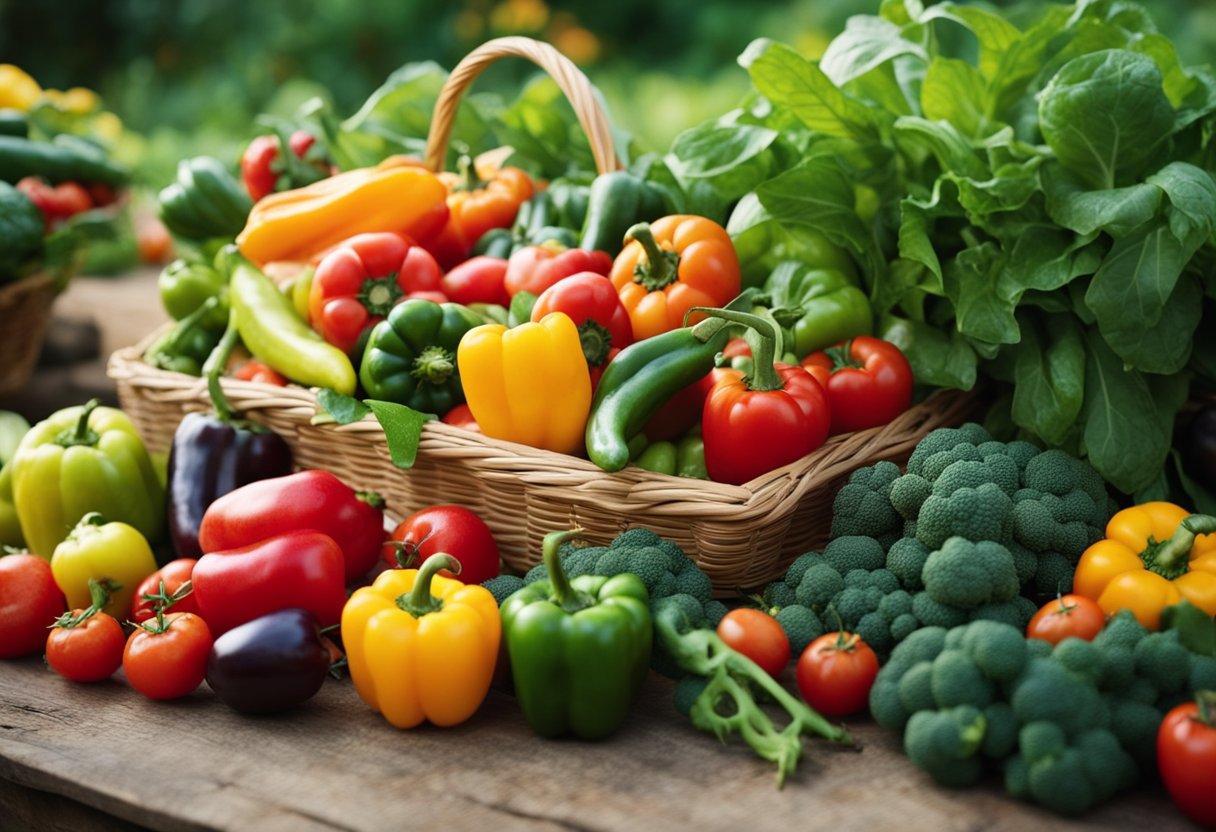
Successfully harvesting your edible landscape’s produce involves timely gathering and preserving your crops, ensuring a continuous yield and maximum flavor. The skills to properly harvest and store, such as knowing when your tomatoes are perfectly ripe or how to keep your strawberries fresh, are as crucial as growing them.
Best Practices for Harvesting
When you are ready to harvest, doing so correctly can greatly improve the taste and longevity of your produce. Tomatoes should be picked when they are uniformly colored with a slight give upon gentle pressure. Strawberries are best plucked when they are bright red and fully ripe because they do not continue to ripen after being picked. Beans should be firm and snappable; harvesting them before they bulge will provide a tender, more palatable experience. As for blueberries, gently roll the berries between your finger and thumb, and ripe ones will fall into your hand effortlessly.
- Tomatoes: Uniform color, slightly soft to touch
- Strawberries: Bright red, fully ripe
- Beans: Firm, picked before seeds bulge
- Blueberries: Ripe berries roll off easily
Preservation and Storage Tips
To preserve the freshness of your harvest, proper storage is key. Tomatoes should be stored at room temperature away from direct sunlight to maintain flavor and texture. Strawberries can be kept fresh in the refrigerator; for longer storage, they can be frozen or made into jams. Beans are best kept in a cool, dry place and can also be blanched and frozen for extended use. Blueberries are fairly resilient and can be refrigerated for up to two weeks; they are also ideal for freezing, drying, or using in preserves.
- Tomatoes: Room temperature, avoid sunlight
- Strawberries: Refrigerate or freeze; suitable for jam-making
- Beans: Cool, dry place; blanch and freeze for later use
- Blueberries: Refrigerate up to two weeks; can be frozen, dried, or made into preserves
Seasonal Considerations and Crop Rotation
When planning your edible landscape, it’s critical to understand the unique requirements of different plants through the seasons, and the importance of crop rotation in maintaining healthy soil and abundant harvests.
Planning for Perennials and Annuals
Perennials are the backbone of an edible landscape due to their longevity and often lower maintenance needs once established. You can enjoy their yield year after year, with plants like asparagus, rhubarb, and certain berries being prime examples. On the other hand, annuals, which complete their life cycle in one growing season, offer a variety of edible flowers and vegetables that can be rotated to enhance soil fertility and break pest/disease cycles. Key perennials for your foodscape may include:
- Fruit Trees: Apple, Pear, Cherry
- Berry Shrubs: Blueberry, Raspberry, Blackberry
- Herbs: Rosemary, Thyme, Sage
Annuals for rotation might involve a sequence like:
- Leafy Greens: Lettuce, Spinach
- Nightshades: Tomatoes, Peppers
- Root Crops: Carrots, Beets
Adjusting to Seasonal Changes
Climate dictates the rhythm of your garden, influencing what and when you plant. As seasons change, so should your crop choices. For example, cool-season vegetables such as spinach and kale thrive in spring and fall, while warm-season crops like tomatoes and cucumbers perform best in summer. Implementing crop rotation is essential not just for managing pests and diseases, but it also helps in nutrient management. To adjust to the seasonal changes, consider:
- Spring: Prepare beds; transition from cool-season to warm-season crops.
- Summer: Harvest warm-season crops; plant for fall harvest.
- Fall: Harvest fall crops; plant cover crops or winter-hardy vegetables.
- Winter: Plan next year’s rotation; maintain perennials.
By incorporating both annuals and perennials into your landscape and being mindful of seasonal shifts, you equip your garden for continuous production and health.
Structural Elements and Accessories in Edible Landscaping
Incorporating structural elements and accessories into your edible landscaping not only adds visual interest but also functional support for your plants. Your design choices in structures will directly affect the texture and structure of your garden. Learn More Here
Trellises, Arbors, and Pathways
Trellises and arbors serve as focal points and vertical supports for climbing plants and vines—think grapes or peas. When placed strategically, they can create an inviting entrance or frame a view. Incorporating these structures encourages your garden to grow upward, maximizing space and allowing sunlight to reach smaller plants below.
-
Arbors: Usually arched, they can be covered with flowering vines like honeysuckle for added fragrance and bursts of color.
-
Trellises: These flat, latticed panels can support a range of edible climbers, such as cucumbers or squash, adding both organic produce and ornamental appeal.
Pathways juxtapose the living, organic elements with the inanimate, leading the eye and guiding your steps. They can be made using a variety of materials: stone, brick, gravel, or wood chips, each contributing a different texture and aesthetic to your garden design.
Integrating Hardscape with Softscape
The term hardscape refers to the non-living elements in your garden—pathways, walls, and patios—while the softscape is composed of the living, horticultural elements. Your edible landscaping should seamlessly blend hardscape with softscape to create a cohesive look.
-
Materials: Choose hardscaping materials that complement the surrounding plants; for example, dark mulch can make green foliage pop.
-
Plant Placement: Consider positioning plants with varying textures and colors alongside your hardscaping for contrast; place softer, feathery plants next to crisp edges and solid structures.
Remember that the design of your garden should guide your selections, ensuring that every element, whether a raspberry cane trellis or a curvilinear pathway, contributes to the overall beauty and functionality of your edible landscape.
Creating a Sustainable Ecosystem
In edible landscaping, your goal is to create a foodscape that is not just productive, but also supports a thriving ecosystem. A balanced ecosystem benefits plant health, yield, and the environment as a whole.
Attracting Beneficial Pollinators and Wildlife
To foster a healthy ecosystem, it is essential to attract pollinators. Bees, butterflies, and other beneficial insects play a crucial role in the pollination of many edible plants, increasing their productivity. To draw these allies to your homestead, integrate a variety of flowering plants known for their allure to pollinators. Opt for native species which tend to attract more local wildlife and require less maintenance.
- Examples of pollinator-friendly plants:
- Lavender
- Bee balm
- Sunflowers
- Wildflowers native to your area
Additionally, consider adding features like birdbaths or small ponds, providing a habitat for amphibians and birds that also contribute to pest control and pollination.
Implementing Companion Planting and Biodiversity
Companion planting is a strategy used by experienced homesteaders to enhance biodiversity and the health of an edible landscape. By planting certain combinations of plants together, you can deter pests, enhance soil fertility, and promote a more productive foodscape.
- Examples of companion planting pairs:
- Tomatoes with basil to repel flies and mosquitoes
- Carrots with onions to deter carrot flies
- Corn with beans and squash, known as the “Three Sisters”
Implementing these pairings helps to create a self-supporting ecosystem where plants work synergistically to the benefit of your homestead. Remember, diversity within your plant selections encourages a robust and resilient garden, able to withstand environmental stresses.
Frequently Asked Questions
In this section, you’ll find answers to common questions about starting and maintaining an edible landscape, from design to specific plant recommendations for beauty and climate resilience.
How can I design my front yard with edible plants?
To design your front yard with edible plants, begin by assessing your space for sun exposure, soil quality, and water access. Consider incorporating stylish and consumable elements like fruit trees as focal points, along with edible shrubs, perennial vegetables, and herbs that align with the aesthetics of your home.
What are the ideal plants to use for a sustainable edible landscape?
The ideal plants for a sustainable edible landscape include a mix of perennial and annual species. Perennials such as fruit and nut trees, berry bushes, and perennial vegetables provide long-term yields, while annuals like leafy greens, root vegetables, and herbs need to be replanted yearly but offer quick harvests.
What practices should I follow to maintain an edible garden in a Florida climate?
In a Florida climate, focus on choosing plants that thrive in warm, humid conditions. Opt for heat-tolerant vegetables, citrus trees, and sturdy herbs. Implement mulching to conserve moisture and consider raised beds to improve drainage during heavy rains.
Can you recommend edible plants that also enhance yard aesthetics?
Certainly, plants like blueberry bushes, flowering herbs like lavender, and vibrant chard can provide both food and beauty. Incorporating edible flowers such as nasturtiums and calendulas also add color and texture to the garden while being delightful additions to salads.
What resources are available for learning to create and manage an edible landscape?
Plenty of online guides, books, and local gardening workshops offer information on edible landscaping. For a comprehensive start, look to resources like for the UK “Edible Landscaping UK,” or for the USA ” Growing an Edible Landscape USA” which provides design theories and practical steps for beginners.
How has the concept of integrating edibility into landscaping evolved over time?
The concept of edible landscaping has evolved from simply growing food for consumption to an artistic merging of horticulture and garden design. Today, the practice involves carefully selecting plants that both enhance the visual appeal and provide a bountiful harvest, allowing you to combine form with function in your outdoor spaces.
Some of the links in posts are affiliate links. We only recommend information or products of the highest quality from resources we trust. Disclaimer
Together, we can make it- ‘Easy Peasy Gardening’ for you!
Happy gardening! 🌻