Medicinal Herb Gardening: Essentials for Home Wellness

Making Your Own First Aid Kit Using Natural Remedies
Medicinal Herb Gardening combines the joys of gardening with the benefits of natural healing. By cultivating various herbs, you can grow plants that can soothe ailments, make tinctures, ointments, salves, poultices, decoctions, infusions, essential oils — flavor meals, and even provide aromatic beauty to your garden space. The process of growing medicinal herbs is not much different from traditional gardening, but it comes with the added satisfaction of knowing that your garden can be your first aid kit.

Planting a medicinal herb garden requires both planning and patience. You need to educate yourself on the specific needs of each plant, the timing for planting, and how to care for them throughout the growing season. Understanding these details is crucial for cultivating a garden that’s both beautiful and beneficial. Knowing when to harvest and how to preserve your herbs is equally important to ensure you can enjoy the fruits of your labor all year round.
Key Takeaways
- Cultivating medicinal herbs provides health benefits and gardening enjoyment.
- Detailed planning and learning about plant care are vital for a successful herb garden.
- Knowing when to harvest and preserve your herbs maximizes their utility and longevity.
Fundamentals of Medicinal Herb Gardening
When you want to start medicinal herb gardening, understanding the basics is key to success. These herbs not only enhance your cooking but can also have therapeutic properties. It’s important to approach this process with care and knowledge.
Firstly, select the right location. Herbs thrive in areas with six to eight hours of sunlight daily, well-drained soil, and good air circulation. You’ll want to consider accessibility for both planting and harvesting.
When choosing medicinal herbs for your garden, consider the compatibility of the plants with your local climate and understand the different lifecycles of herbs.
Selecting Medicinal Herbs for Your Garden
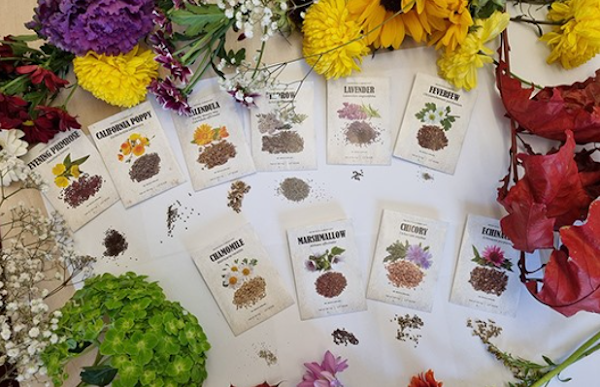
Next, choose your herbs. Focus on what you will use; for instance, echinacea is known for immune support, while chamomile can aid in relaxation. Here’s a list of the more popular to consider with uses:
- Echinacea: Immune booster
- Chickory: Pain Killer
- California Poppy: Helps Sleeping
- Marshmallow: For a healthy digestive system
- Chamomile: Natural Atibiolitc. Soothes and relaxes
- Evening Primrose: Remedy for skin rashes and nerves
- Calendula: Healing wounds, rashes and bites
- Feverfew: Natural aspirin for headaches and migraines
- Lavender: Reduces stress
- Yarrow: Wound healer
All these are included in a great ‘All In One’ Kit to save you time and effort, The Medicinal Garden Kit.
With this seed kit, you’ll also receive a FREE copy of Herbal Medicinal Guide: From Seeds to Remedies. This informative guide will show you how to turn the seeds into plants and how to make tinctures, ointments, salves, poultices, decoctions, infusions, and essential oils —Even if you’ve never made an herbal medicine in your life, this guide makes it easy with step by step instructions in minute detail.

Planning Your Layout
These are the basics to consider, which we go into in more detail further down the page.
Plan your garden layout, ensuring that taller plants don’t overshadow shorter ones. Companion planting can be beneficial; certain herbs grown together can enhance growth and flavor.
Soil preparation is crucial. A balance of nutrients is needed for herbs to produce the potent oils that give them their healing properties. Adding organic matter can improve soil health significantly.
Finally, regular care and maintenance keep your garden flourishing. This includes watering, especially during dry spells, and pruning to encourage new growth. Remember, some herbs may overwinter while others must be replanted annually. Take note of each plant’s specific needs to ensure a bountiful harvest.
Herb Hardiness and Climate Considerations
Herbs vary in their ability to withstand cold and heat. Annuals, like basil and cilantro, need to be replanted each year. Perennials, such as lavender and sage, can survive winter in appropriate zones. Use the USDA Hardiness Zone map to select herbs that will thrive in your area. For example, if you live in a colder climate, you might choose echinacea, known for its immune-boosting properties, which is hardy in zones 3 to 8. Conversely, if you reside in a warmer area, plants like lemon balm, which can be used to make soothing teas, are suited for zones 4 to 9 and can handle milder winters.
Understanding Herb Lifecycles
Herbs can be annuals, biennials, or perennials. Annuals need to be replanted each year but may self-seed. Biennials, such as parsley, have a two-year lifecycle, flowering in the second year before dying. Perennials come back each year and can offer a sustainable long-term addition to your garden. Consider the lifecycle when planning your garden to ensure a continuous supply of medicinal herbs. For ongoing harvests, you may want to plant a mix of annuals like chamomile for its calming properties, and perennials like peppermint for digestive health, balancing your garden’s productivity across seasons.
Designing Your Medicinal Herb Garden
As mentioned above, before starting your foray into medicinal herb gardening, precise layout planning and plant selection based on companionship and climate needs are essential to create a thriving and beneficial garden space.
Garden Layout and Planning
Before you plant, draft a garden blueprint that reflects the sunlight, water availability, and space requirements of your future plants. For practicality, position your most used herbs closer to your kitchen or processing area.
What sort of space are you planning? Will it be either a mixed garden or a solely medicinal herb garden?
We have some guidance on Garden Design in another post. Please check it out for some ideas.
Companion Planting and Biodiversity
Incorporate companion plants to foster a balanced ecosystem. Certain herbs can deter pests, improve soil health, and provide structural support for each other when planted together. Biodiversity attracts beneficial insects and improves resilience. You can find herb pairing suggestions at “The Homesteader’s Herbal Companion: The Ultimate Guide to Growing, Preserving, and Using Herbs”
Creating Microclimates for Specialized Herbs
Some medicinal herbs require specific conditions, often referred to as microclimates. Utilizing shaded areas, windbreaks, or sun traps allows you to cultivate a wider range of herbs.
Soil Preparation and Maintenance
To successfully grow medicinal herbs, understanding and preparing your soil is essential. Adequate soil preparation helps to ensure that your herbs will have the best environment to thrive.
Soil Types and Amendments
Depending on your soil type, different amendments may be necessary to optimize it for herb cultivation. Sandy soils drain quickly but may lack nutrients and need organic matter to improve fertility. Conversely, clay soils hold nutrients well but may have drainage issues and require organic matter to improve structure. To assess your soil type, perform a simple squeeze test: moisten a handful of soil and squeeze it in your palm. Sandy soils will fall apart easily, while clay will hold its shape.
To enhance your soil, incorporate plenty of compost. It will add nutrients and improve the soil’s overall texture and fertility. If dealing with heavy clay, coarse sand and organic material can help with aeration and drainage.
Organic Mulching and Fertilization
Applying organic mulch can help maintain soil moisture, regulate temperature, and suppress weeds. Some effective organic mulches include straw, wood chips, or leaf mold. You should apply a layer 2-3 inches thick around your plants, leaving some space around the stem bases to prevent rot.
For fertilization, using an organic fertilizer will slowly release nutrients to the herbs without the risk of chemical burn that synthetic fertilizers may cause. Options like fish emulsion, bone meal, or well-rotted manure can be applied according to package directions or your garden’s specific needs. Regular addition of compost can also act as a slow-release fertilizer, enriching the soil ecosystem.
Cultivation and Care of Medicinal Herbs

Creating a thriving medicinal herb garden requires attention to watering practices and diligent pest and disease management. Success hinges on understanding the specific needs of each herb and executing the right techniques to keep your plants healthy.
Watering Techniques
-
Consistent Moisture: Ensure that your soil is consistently moist but not waterlogged. Herbs like mint and lemon balm thrive in moist soil, while others like lavender and thyme prefer drier conditions.
Herb Variety Water Needs Mint High; keep moist Lemon Balm High; keep moist Lavender Low; drought-tolerant Thyme Low; drought-tolerant -
Deep Watering: Deep, infrequent watering promotes strong root growth. Allow the top inch of soil to dry out between watering to encourage roots to seek moisture below the surface.
Pest and Disease Management
-
Preventative Measures: Always start with healthy soil and strong plants. Companion planting can deter pests; for instance, planting basil near your tomatoes can help repel aphids.
-
Natural Treatments: If pests or diseases appear, opt for organic and natural remedies whenever possible. For fungal issues, a solution of baking soda and water can act as an effective foliar spray.
Common Pest/Disease Suggested Treatment Aphids Neem oil or a strong water jet Fungal Infections Baking soda-water solution
Remember to regularly inspect your herbs for signs of stress or infestation, intervening quickly with environmentally friendly solutions to protect your medicinal herb garden.
Harvesting and Preserving Herbs

Successfully harvesting and preserving your medicinal herbs ensures their potent qualities are maintained for future use. It is crucial to understand the best practices for both processes to reap the full benefits of your herb garden.
Harvesting Guidelines
To ensure you capture the herbs at their peak, harvest them just before flowering when their oils and flavors are most concentrated. Mornings are ideal, after the dew has evaporated but before the heat of the day. For leaves, snip them from the plant, taking care not to damage the stem. When harvesting roots, do so in the fall when the plant’s energies are focused below ground.
- Leaves: Harvest in the morning, when essential oils are strongest.
- Roots: Harvest in the fall for maximum potency.
Drying and Storing Medicinal Herbs
Drying your herbs is a simple way to preserve them. Spread the harvested herbs on a drying rack or hang them in small bunches in a well-ventilated, dark area to maintain color and potency. Once fully dried, store the herbs in airtight containers, away from light and moisture. Properly dried herbs should be crisp, and storage containers should be labeled with the herb name and date of storage.
Storage Tips:
- Use a drying rack or hang in bunches.
- Keep in a dark, well-ventilated area.
- Store in airtight containers; label with name and date.
Using Your Medicinal Herbs

Once you’ve cultivated and harvested your medicinal herbs, it’s essential to understand how to transform them into effective remedies. Utilizing the correct preparation methods is key to maximizing their therapeutic properties.
Preparation of Herbal Remedies
Drying Herbs: Begin by thoroughly drying your herbs. This can be done by hanging bunches upside down in a well-ventilated, dark room or using a dehydrator at low temperatures. Herbs are properly dried when leaves crumble easily.
Infusions and Decoctions:
- Infusions are best for delicate parts of the plant like leaves and flowers. Steep in boiled water for 5 to 10 minutes to make teas.
- Decoctions involve simmering tougher parts, like roots or bark, for 20 to 30 minutes for a concentrated extract.
Tinctures: Use alcohol or vinegar to extract active components from your herbs. Fill a jar 1/3 full with dried herbs, then pour the solvent to the top. Seal and store for several weeks, shaking occasionally, then strain for use.
Ointments and Salves: Infuse oil with herbs by gently warming them together. After straining out the plant material, mix the oil with beeswax until it sets.
Safety and Dosage Considerations in Medicinal Herb Gardening
Research Before Use: Always investigate the proper use and potential interactions of any herb. Some may affect prescribed medications or have contraindications for certain health conditions.
Dosage: Start with low doses of new herbal remedies. Your body’s reaction can guide you, but never exceed the recommended amounts without professional guidance.
Consult Professionals: Seek advice from a qualified herbalist or healthcare provider, especially if you’re pregnant, nursing, or have chronic health issues.
Remember, natural doesn’t always mean safe, so use your herbs with the same caution you’d apply to other medications.
Sustainable Gardening Practices

When creating a medicinal herb garden, adopting sustainable gardening practices is essential for the health of your plants and the environment. Emphasis on water conservation and supporting local ecosystems ensures a thriving garden.
Water Conservation Methods
To conserve water, consider setting up a drip irrigation system, which delivers water directly to the roots of your plants, reducing waste. You can also practice rainwater harvesting by installing rain barrels, which collect and store rainwater for later use. Utilize mulching to retain soil moisture and reduce evaporation, letting you water less frequently.
- Drip Irrigation: Install drip lines to target water directly to plant roots.
- Rainwater Harvesting: Collect rainwater using barrels positioned under downspouts.
- Mulch: Apply a layer of organic mulch around plants to minimize water loss.
Encouraging Pollinators and Beneficial Insects
Your herb garden will thrive by attracting pollinators such as bees and butterflies, as well as beneficial insects like ladybugs that control pests. Plant a variety of flowers that attract these helpful creatures, and avoid using pesticides that can harm them. Companion planting can also naturally repel pests and encourage beneficial insects to visit your garden.
- Attract Pollinators: Include plants like lavender and bee balm which are known to attract bees.
- Avoid Pesticides: Use natural pest control methods to protect pollinators.
- Companion Planting: Intersperse herbs with flowers to form a diverse ecosystem that deters pests.
Frequently Asked Questions

This section compiles answers to common queries that can help you get started and maintain a flourishing medicinal herb garden.
What are essential herbs to include in a basic medicinal herb garden?
A well-rounded medicinal herb garden often includes Echinacea for immune support, Calendula for wound healing, and Marshmallow or Mint for digestive health. These herbs cover a range of uses and are relatively easy to grow for beginners. There are some great “Done For You Kits” available, which contain the main herb variety seeds with growing instructions. These take the ‘pain’ out of choosing and give instructions on cultivation and how to make your own medicinal tinctures etc. The Medicinal Garden Kit is a good one to consider.
How should I arrange plants in a medicinal herb garden for optimal growth?
Group your herbs based on their sunlight and water requirements. For instance, moisture-loving herbs can be planted together, while those needing less water, like Lavender, should be grouped separately to avoid overwatering.
Can you provide some tips for growing a successful indoor medicinal herb garden?
Choose herbs that thrive in containers and ensure they receive ample sunlight or supplement with grow lights. Herbs like Basil and Lemon Balm are excellent for indoor growth due to their manageable size and container adaptability. See our guide on Indoor Herb Garden: Our Top Ten Picks To Grow Your Own for some further ideas
What companion planting principles apply to growing medicinal herbs together?
Companion planting can deter pests and enhance growth. For instance, planting Basil next to your herbs can help repel insects. Evaluate the companion planting relationships specific to each herb to ensure mutual benefits.
What are some effective strategies for beginners starting a medicinal herb garden?
Start small with easy-to-grow herbs, and focus on ones that thrive in your climate. Educate yourself about each plant’s needs and build upon your garden as you gain confidence and experience.
Are there any comprehensive guides or books for medicinal herb gardening?
Several resources are available for in-depth knowledge, such as “The Bible Of Medicinal Plants: Save Thousands With The Complete Beginners Guide etc “ by JP Rae and “Rosemary Gladstar’s Medicinal Herbs: A Beginner’s Guide.” These are an invaluable source for both novices and experienced gardeners alike.
Some of the links in posts are affiliate links. We only recommend information or products of the highest quality from resources we trust. Disclaimer
Together, we can make it- ‘Easy Peasy Gardening’ for you!
Happy gardening! 🌻