Top 10 Tips – How To Start Gardening
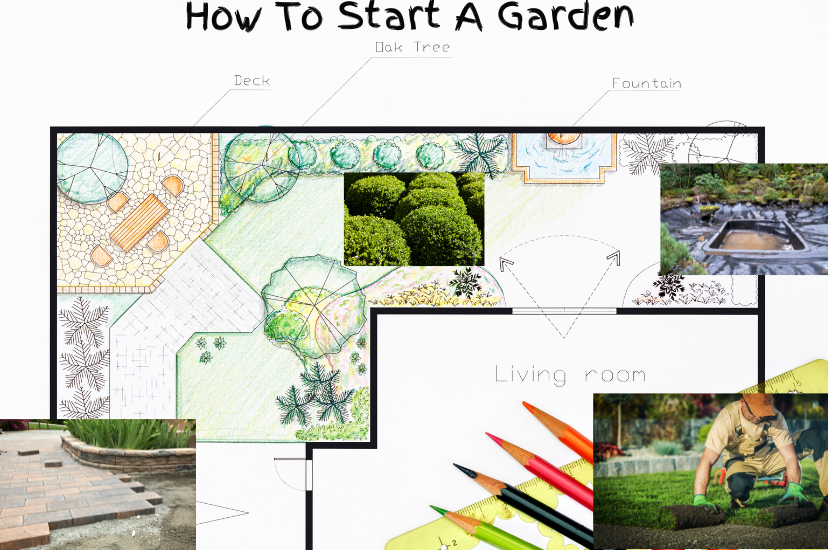
So you are ready to begin………. if you’re reading this then you probably want to learn How to Start Gardening.
Ready to dive into the wonderful world of gardening and nature but don’t know where to begin?
You want to create your dream garden like the one you saw in that Glossy Home magazine.
Your favorite celeb did a feature on their home etc etc
You ask yourself ‘How on earth can I make that patch of scrub in my front or back yard into something special and something my neighbors will be envious of’?
Daunting isn’t it?
Where to start, what plants should I grow, what tools do I need, and what if I get it wrong?
I had these same questions many years back, so I know what you might be feeling.
Don’t worry; you’re not alone. Starting a garden can be an exciting and rewarding journey but also overwhelming for beginners. That’s why we are starting at the beginning with the basic Top Ten Tips – How to Start Gardening
Remember: we’re here to make it Easy Peasy Gardening for you!
We will guide you, hold your hand, encourage you, offer advice when needed and try and make things structured but simple to follow.
In this 1st article, we’ll provide you with 10 brief top tips on how to start gardening and ease you down the garden path- pun intended!! to green-thumb greatness.
Over the coming months, we will expand on each of the sections, delving into much more detail and slowly but surely expanding your gardening knowledge.
Remember, gardening can be a slow process and I, like all gardeners have made mistakes. If you speak to any experienced gardener they will tell you how many times they have changed their garden around. Perhaps a new design adding different features. Plants or shrubs that failed because they were planted initially in the wrong place – too much sun, not enough sun! we’ve all done it!
A garden constantly evolves as your lifestyle needs change. Children/Grandchildren-friendly features might have to be added. A place to entertain friends is now required, a place for nature or a wild area.
This is the special part of gardening that I enjoy the most. A garden is never static. I am always trying to improve, find new methods, grow new plants or vegetables and learn new techniques.
When we succeed, as with anything we do in life, the feeling is fantastic.
I have found that gardening and spending time outdoors have offered me a multitude of health benefits. Firstly, it encourages physical activity through tasks like digging, planting, and weeding, which can help improve fitness levels and maintain a healthy weight. Exposure to natural sunlight boosts vitamin D production, strengthening bones and enhancing mood. Gardening also reduces stress, lowers cortisol levels, and promotes relaxation, aiding mental well-being. Moreover, cultivating a garden provides access to fresh, organic produce rich in nutrients, contributing to a balanced diet. Connecting with nature fosters a sense of calm and connection, reducing anxiety and improving overall quality of life. Overall, I believe that gardening and outdoor activities are a holistic approach to improving physical and mental health.
So enough for now and the work starts from here. The following is the framework of the ten top tips to help you learn How To Start Gardening.
1. Choose the Right Location
- Select a spot in your yard that receives adequate sunlight for the type of plants you want to grow.
- Ensure the area has good drainage to prevent waterlogging.
- Consider proximity to a water source for convenient irrigation.
2. Start Small
- If you’re new to gardening, begin with a small area, a small bed, or perhaps if your garden is suitable a few containers or tubs.
- Starting small allows you to gain experience without overwhelming yourself.
3. Select the Right Plants
- Choose plants that are suitable for your climate and soil type.
- If you are growing vegetables select easy-to-grow varieties like tomatoes, herbs, and zucchini for a beginner-friendly experience.
4. Prepare Your Soil
- Invest in good-quality soil that’s rich in organic matter.
- Remove weeds, rocks, and debris from your chosen gardening area.
- Consider soil testing to determine the pH and nutrient levels for optimal plant growth. Some plants can be extremely fussy about the soil they are planted in. For example, Azaleas, Rhododendrons, Camellias and Acers, (there are more to be aware of), require ericaceous soil to do well. This type of soil is classed as acidic, but we will go into more detail a bit later.
There are a wide range of great instruments for soil testing. A few will not only test the soil pH but also soil nutrients and light &soil moisture level with the press of a single button. The accurate results can be displayed clearly on a dial immediately. With this information, you can adjust the moisture & nutrient supply based on the soil test results, balance the soil ph of soil, and make your plants and shrubs grow vigorously and healthily. The HSLGOVE 4 -in-1 will do all you need to start off with and is reasonably priced.
5. Plan Your Garden Layout
- Sketch a simple garden layout to visualize where each plant will go. See my post on Garden Design here.
- Pay attention to plant spacing and sun direction even in winter when at its lowest. Allow sufficient room for growth. The tendency with new gardeners is to try and fill the gaps. This is fine to begin with but often when the plant or shrub grows, they end up being too close together and need moving. Depending on the variety this is sometimes difficult. Gaps are best filled with smaller plants or ground cover that can easily be moved.
- Don’t plant deep-rooted trees or shrubs too near the house foundations or underground drains. This might come back to bite you.
6. Learn About Watering
- Watering is crucial, but overwatering can be just as harmful as underwatering.
- Water deeply and less frequently, allowing the soil to dry out between watering sessions.
- Use a soaker hose or drip irrigation system for efficient watering.
7. Invest in Basic Tools
- Acquire essential gardening tools like a shovel, rake, pruners, gloves etc.
- Quality tools will make your gardening tasks more manageable and enjoyable.
- Quality Tools can be expensive, by setting yourself up a maintenance regime they will last for many years
8. Understand Planting Seasons
- Research the planting seasons in your region. Ask other local gardeners for advice and observe what is already growing well in your neighborhood.
- Some plants thrive in spring, while others do better in the fall or winter.
9. Embrace Patience
- Gardening is a journey, not a race. Be patient and allow your plants to grow at their own pace.
- Don’t get discouraged by initial setbacks, (there will be some), gardening is a learning process.
10. Keep Learning and Experimenting
- Gardening is a lifelong learning experience.
- Don’t be afraid to try new plants, techniques, and garden designs.
- Join gardening communities or forums to connect with experienced gardeners and seek advice. Contacts made now will be extremely useful for seed exchanges, cutting swaps, etc. Saving lots of money!
Bonus Tip: Practice Sustainability
- Consider eco-friendly practices like composting kitchen waste and using natural pest control methods.
- Gardening sustainably not only benefits the environment but also enhances your garden’s health.
- You might be interested in organic gardening for vegetables etc.
Starting a garden is a fantastic way to connect with nature, reduce stress, and enjoy the fruits (and veggies!) of your labor. By following these 10 top tips, you’ll be well on your way to becoming a successful gardener.
Conclusion
Gardening may seem intimidating at first, but with the right guidance and plenty of enthusiasm, anyone can become a green-thumbed expert and have a garden to be proud of regardless of its size. There will be some failures, but without these, we will never learn. Over the years I’ve made many and will no doubt make plenty more.
But the joy of success when you have overcome a stumbling block, whether you are interested in growing flowers or your own vegetables is immeasurable. Remember, it’s not just about growing plants; it’s about nurturing a piece of the Earth and watching it flourish.
So, what are you waiting for?
Get your hands dirty and embrace the learning curve. Take your first steps toward how to start gardening and savor the satisfaction of a thriving garden.
Some of the links in posts are affiliate links. We only recommend information or products of the highest quality from resources we trust. Disclaimer
Together, we can make it- ‘Easy Peasy Gardening’ for you!
Happy gardening! 🌻