Difference Between Aquaponics and Hydroponics: A Comprehensive Comparison

- Introduction
- Understanding Aquaponics
2.1 What is Aquaponics?
2.2 How does Aquaponics work? - Exploring Hydroponics
3.1 What is Hydroponics?
3.2 How does Hydroponics work? - Comparing Aquaponics and Hydroponics
4.1 Sustainability and Environmental Impact
4.2 Nutrient Source and Management
4.3 Growth Rate and Plant Health
4.4 Maintenance and Cost - Choosing Between Aquaponics and Hydroponics
- Setting Up an Aquaponics System
6.1 Necessary Components
6.2 Step-by-Step Guide - Starting a Hydroponics Garden
7.1 Necessary Components
7.2 Step-by-Step Guide - Pros and Cons of Aquaponics
8.1 Advantages
8.2 Disadvantages - Pros and Cons of Hydroponics
9.1 Advantages
9.2 Disadvantages - Personal Experience and Recommendations
- Conclusion
- FAQs
As someone deeply passionate about sustainable gardening, I’ve explored various methods of cultivating plants, and two intriguing approaches always stand out: Aquaponics and Hydroponics. In this article, I’ll guide you through the difference between aquaponics and hydroponics, explaining their mechanisms, comparing their pros and cons, and providing recommendations for choosing the right one for your needs.
Both aquaponics and hydroponics have a key place in garden design. I am sure that in the coming years with ever-increasing requirements for sustainability and reducing ‘Food Miles,’ these forms of gardening will become commonplace.
Understanding Aquaponics
2.1 What is Aquaponics?
Aquaponics is a holistic system that combines aquaculture (raising fish) and hydroponics (growing plants without soil) in a symbiotic environment. It’s a sustainable way of growing both fish and plants simultaneously.
2.2 How does Aquaponics work?
In an aquaponics system, fish waste provides nutrients for the plants, and the plants, in turn, purify the water for the fish. It’s a closed-loop system that minimizes water wastage and promotes natural nutrient cycling.
Exploring Hydroponics
3.1 What is Hydroponics?
Hydroponics is a soilless cultivation method where plants receive essential nutrients directly from a nutrient-rich water solution. This approach allows for precise control over nutrient levels and environmental conditions.
3.2 How does Hydroponics work?
In hydroponics, plants are grown in various mediums like perlite, vermiculite, or coconut coir. Their roots are submerged in nutrient-rich water, ensuring they receive all the necessary elements for growth.
Comparing Differences Between Aquaponics and Hydroponics
4.1 Sustainability and Environmental Impact
Aquaponics is known for its sustainability due to the closed-loop system that conserves water and reduces waste. Hydroponics, while more water-efficient than traditional soil gardening, doesn’t match the eco-friendliness of aquaponics.
4.2 Nutrient Source and Management
Aquaponics relies on fish waste as a nutrient source, providing an organic and well-balanced diet for plants. In hydroponics, nutrients are synthetically supplied, requiring careful monitoring and adjustment.
4.3 Growth Rate and Plant Health
Plants in hydroponics systems often grow faster since they receive nutrients in the most easily accessible form. However, aquaponics promotes healthier plant growth due to the natural nutrients derived from fish waste.
4.4 Maintenance and Cost
Hydroponics systems are generally less complex and more cost-effective to set up, whereas aquaponics requires additional components like fish tanks and biofilters, making it slightly more expensive and demanding in terms of maintenance.
Choosing Between Aquaponics and Hydroponics
Before deciding on a system, consider your goals, resources, and commitment. If you prioritize sustainability and are willing to invest in a more complex setup, aquaponics is a fantastic choice. For those seeking simplicity and faster growth, hydroponics might be the way to go.
Setting Up an Aquaponics System
6.1 Necessary Components
To start an aquaponics system, you’ll need a fish tank, grow beds, water pumps, and a biofilter. Make sure to choose fish species compatible with your region and climate.
6.2 Step-by-Step Guide
I’ll provide you with a detailed step-by-step guide on setting up your aquaponics system in a separate article.
Starting a Hydroponics Garden
7.1 Necessary Components
hydroponics systems are available in varying sizes and can include everything needed to get started. Obviously, systems vary and care should be taken when choosing. The larger systems typically hydroponics gardens, include lights and pumps for water circulation. However smaller starter kits are a good way to ‘dip your toe in’, if you’ll excuse the pun! Otherwise, you can source the essential components like a nutrient solution, growing medium, containers, and adequate lighting and design a system to suit your needs. (Note: The Images below are not to scale)
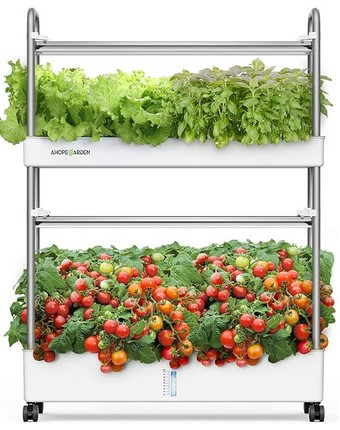
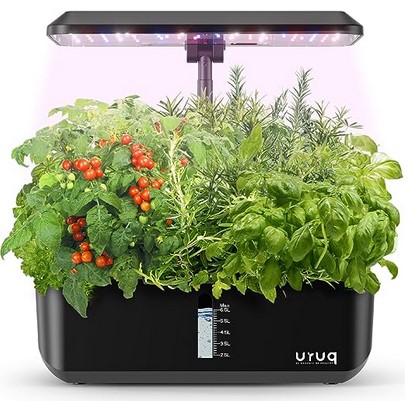
7.2 Step-by-Step Guide
Stay tuned for my upcoming article on starting a hydroponics garden, where I’ll guide you through the process.
Pros and Cons of Aquaponics
8.1 Advantages
- Sustainable and eco-friendly
- Natural nutrient source
- Healthy plant growth
8.2 Disadvantages
- Initial setup cost
- Complexity in maintenance
Pros and Cons of Hydroponics
9.1 Advantages
- Faster plant growth
- Simplicity in setup
- Lower initial cost
9.2 Disadvantages
- Synthetic nutrient use
- Limited environmental sustainability
Personal Experience and Recommendations
Drawing from my own experience, I would recommend aquaponics for those who value sustainability and are ready for a more involved setup. Hydroponics is perfect for beginners and those seeking rapid growth with less complexity. Hydroponics is much quicker and easier to set up.
Conclusion
In the world of soilless gardening, both aquaponics and hydroponics offer unique advantages and challenges. The choice between the two ultimately depends on your preferences and priorities. Regardless of your decision, you’ll be part of a growing community of individuals dedicated to sustainable and efficient gardening practices.
Some of the links in posts are affiliate links. We only recommend information or products of the highest quality from resources we trust. Disclaimer
FAQs
- Is aquaponics suitable for indoor gardening?
- Yes, aquaponics can be adapted for indoor use with proper lighting and space considerations.
- Can I use any fish in my aquaponics system?
- It’s essential to choose fish species that are compatible with the environment and climate of your region.
- Do hydroponics systems require constant monitoring?
- Regular monitoring of nutrient levels and pH is essential for the success of hydroponics systems.
- Which system is more cost-effective in the long run?
- Hydroponics tends to have lower initial costs, but aquaponics can be more cost-effective in terms of nutrient supply over time.
- Can I switch from hydroponics to aquaponics or vice versa?
- While it’s possible, it may require some adjustments in equipment and practices due to the differences in nutrient sources.
Together, we can make it- ‘Easy Peasy Gardening’ for you!
Happy gardening! 🌻