Choosing a Greenhouse: Your Path to Perfect Plant Growth
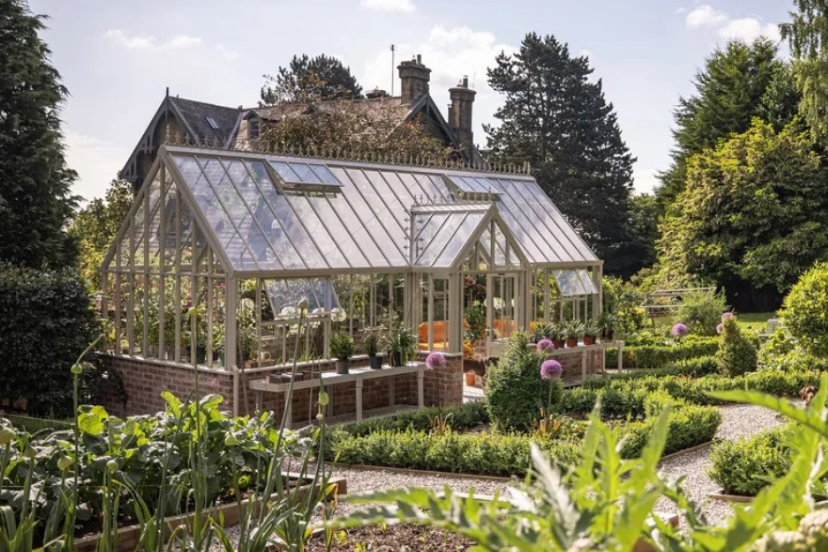
As a passionate gardener, I understand the yearning for that perfect greenhouse to nurture your plants and extend your growing season. Choosing a greenhouse is a significant and expensive decision, and it’s essential to make an informed choice that aligns with your gardening goals and preferences. In this guide, I’ll walk you through the various aspects of choosing the ideal greenhouse, providing insights and tips to help you reach an informed decision.
Defining Your Gardening Goals
Before you dive into the world of “gardening under glass” and quickly choose a greenhouse, it’s crucial to understand your gardening objectives. Are you looking to grow delicate tropical plants, start seedlings and take cuttings, or grow vegetables more suited to warmer temperatures? You could also want to extend your vegetable growing season. Do you also want to use it as a potting area cum shed?
Without a clear idea of how you will use your greenhouse, it will make decision making more difficult and you will probably end up with the wrong style. Make sure you have considered how a greenhouse fits into your garden design. If you are still unsure, why not ask friends or neighbors who have greenhouses and canvas their opinions?
Consider your Available Space and Budget
The next step is to evaluate the available space in your garden. Are you working with a cozy urban backyard or blessed with sprawling acreage? Your garden’s size will influence the type and size of greenhouse that fits seamlessly into your space. Greenhouses are available to suit most budgets, so decide how much you want to spend and this will guide you to the best solution for your garden. Even if you don’t have any outdoor space, there are greenhouses suitable for indoors as well! Check out some designs here
Types of Greenhouses
Traditional Glass Greenhouses
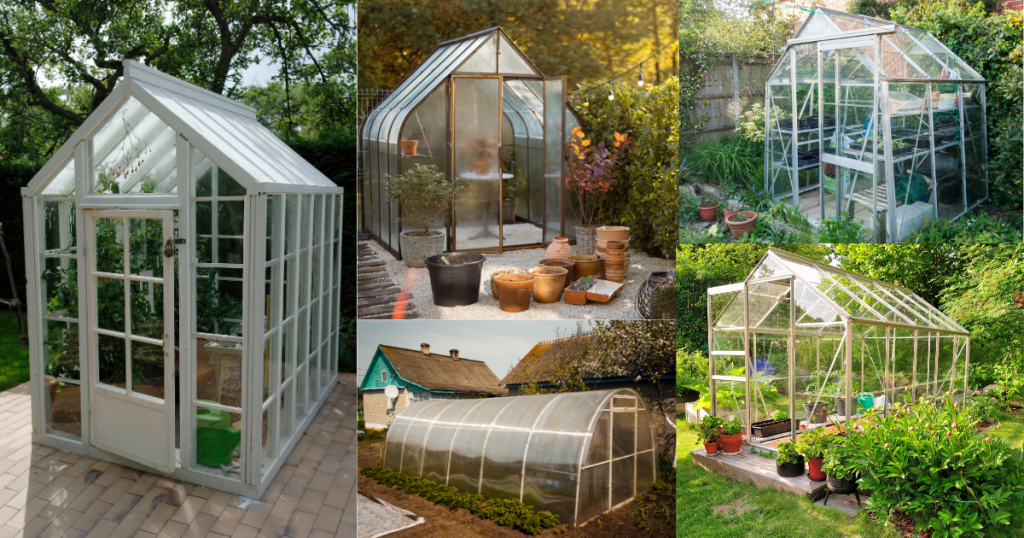
Traditional glass greenhouses exude charm and provide excellent light diffusion. They are perfect for serious gardeners and those who want to create a stunning focal point in their garden. Available in a wide range of shapes and sizes. Glass lets the maximum amount of sunlight through onto the plants compared to polycarbonate or plastic glazing. The downside of glass is that it is more expensive and can be broken more easily.
Polycarbonate Greenhouses
Polycarbonate greenhouses offer a cost-effective alternative. They provide superb insulation and durability, making them suitable for various weather conditions. Cheaper than glass and more robust.
Polytunnels
Polytunnels are not as pleasing to the eye as a quality greenhouse, however, they offer several advantages over a traditional greenhouse. Firstly, its cost-effectiveness makes it a budget-friendly choice for gardeners. Polytunnels also provide excellent insulation, ensuring a consistent and warm environment for plants. Their spacious interiors accommodate a variety of crops, including tall or climbing plants. Moreover, they are easy to assemble and relocate, offering flexibility in garden planning. With their versatility, affordability, and adaptability, polytunnels have become a favorite among growers for extending the growing season and protecting delicate crops. However, polytunnels are typically less durable than traditional greenhouses and may require more maintenance. While they extend the growing season and protect crops, they may not offer the same level of environmental control. Gardeners often choose between the cost-effective convenience of polytunnels and the long-term durability of traditional greenhouses based on their specific needs and priorities.
Frame Materials
When it comes to choosing a greenhouse, deciding on the right frame material is a factor that will impact your budget and enhance your gardening experience for years to come. As a keen gardener, I understand the importance of selecting a frame material that suits your needs and improves your greenhouse’s functionality. These are some of the key considerations and options to help you make an informed choice.
Aluminum Frames
Aluminum frames are lightweight yet sturdy, making them a popular choice. They are corrosion-resistant, require minimal maintenance, and are easy to assemble. They offer good insulation and are suitable for various climates. The aluminum frames are also available with an epoxy paint finish in a range of colors to further enhance their appearance.
Galvanized Steel Frames
Galvanized steel frames are known for their strength and longevity. They can withstand harsh weather conditions and provide excellent stability. However, they may require periodic maintenance to prevent rust.
Wood Frames
Wood frames add a natural, rustic charm to your greenhouse. They provide good insulation but may require more maintenance to protect against rot and insects. Cedar and redwood are popular wood choices due to their natural resistance to decay.
PVC Frames
PVC frames are affordable and versatile. They are lightweight and easy to assemble, making them a budget-friendly option. However, they may not offer the same durability as metal or wood frames.
Hybrid Frames
Hybrid frames combine the strengths of different materials. For example, you can have an aluminum frame with wooden sidewalls for added insulation. Hybrids offer customization options to suit your specific needs.
Choosing the Right Size
Note to self: When choosing a greenhouse you can never have one that is too big! Obviously, it goes without saying that it all depends on budget and space available! As your horticultural experience grows, so will your requirements for a larger greenhouse. Therefore, I would recommend trying to purchase as large a greenhouse as possible from the outset.
Whatever size you do buy, remember that a solid base, good access via a path and services e.g. water and electricity are essential. Electricity should always be installed by qualified professionals
Small and Compact Greenhouses
Small greenhouses are perfect for beginners or those with limited space. They are excellent for nurturing a few plants or starting seedlings. These are available in a range of styles from the traditional more solid construction to easily assembled plastic covered types and will suit any budget and space. The advantage of the latter is that they can be taken down over winter and stored. However, they may only be strong enough for a few seasons, are prone to wind damage and generally not as robust. As an introduction to greenhouses, they will give the novice a good grounding with little expense.
Medium-Sized Greenhouses
Medium-sized greenhouses strike a balance between space and manageability. They offer enough room for a diverse plant collection and are suitable for most gardeners.
Large and Spacious Greenhouses
For serious gardeners or those with an extensive plant collection, large greenhouses provide ample space for various gardening endeavors.
Location Matters
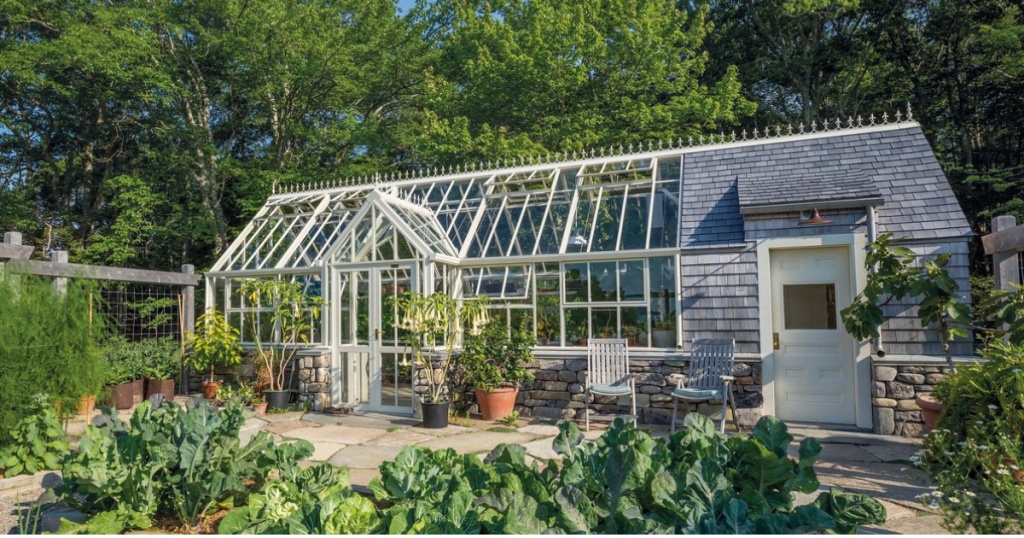
Wherever you decide to site your greenhouse consideration should be given to the base. Try to site it close to the house if possible. The greenhouse should ideally be mounted on a sound base to prolong its, life and allow for solid anchoring. Consider the accessibility and if possible put a path up to the door. Decide if you are going to have a solid floor such as slabs to allow easy cleaning, or if you want soil beds to grow plants or vegetables in. Remember that soil can harbor bugs and diseases and should ideally be changed each season. Vegetables and other plants can easily be grown in grow bags or containers in the greenhouse. Consider if you need to install a water and electricity supply to the greenhouse during construction. If so, always use qualified tradespeople, especially with electricity outdoors.
Sunlight and Shade
Select a location that receives adequate sunlight for your plants. Ensure that the orientation of your greenhouse maximizes light exposure. You will need to provide shading during scorching summer days with blinds or similar as the temperature in a greenhouse can rise rapidly. Avoid siting the greenhouse close to trees or structures that will cast shadows.
Wind and Protection
Protect your greenhouse from strong winds and potential damage by considering natural windbreaks or installing protective barriers.
Ventilation and Temperature Control
Rooftop Ventilation
Proper ventilation is essential for regulating temperature and humidity. Roof vents allow hot air to escape, preventing overheating. The easiest type to install and operate, are self-contained and use the ambient temperature to open and close. They require no external power or batteries.
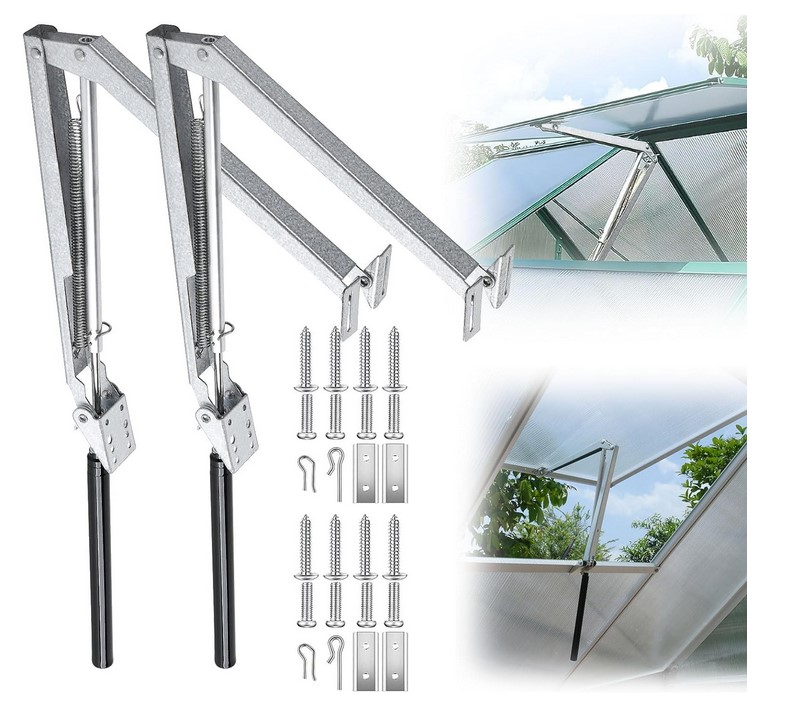
- Temperature-Sensitive Ventilation: Our automatic window opener responds to temperature changes, efficiently regulating your greenhouse’s internal climate.
- Durable and Reliable: Crafted from premium-grade anodized galvanized Steel.
- Wide Temperature Range: Operating between 15°C to 25°C (60°F – 77°F), the opener adapts to various weather conditions.
- Battery-Free Solution: Our automatic window opener is completely self-sufficient and doesn’t rely on batteries or electricity for operation.
- Easy Installation and Compatibility.
For the larger greenhouses and very keen gardeners, perhaps a fully automated system is worth considering but is more expensive to install. These include automatic ventilation, film shading and irrigation systems. These might be a consideration and save you the task of opening or closing the vents as the weather changes and could be ideal should you be away on holiday.
Side Ventilation
Consider side vents to provide additional airflow control. Louvered side vents are effective in maintaining optimal conditions. These can also be automated similar to the rooftop style.
Heating and Cooling Options
Depending on your climate, you may need heating or cooling systems to ensure a comfortable environment for your plants year-round.
Cold Greenhouse
An unheated greenhouse in winter, depending on location, is classed as a ‘cold’. A cold greenhouse is typically used for cultivating a variety of hardy plants and extending the growing season in cooler climates. These structures provide protection from frost and harsh weather conditions, making them ideal for nurturing early-season crops, such as cold-tolerant vegetables like lettuce, spinach, and kale. Cold greenhouses are also well-suited for overwintering potted plants and starting seedlings, allowing gardeners to kickstart their gardening endeavors in late winter or early spring. While they lack the temperature control of heated greenhouses, their affordability and simplicity make them a valuable tool for hobbyists and small-scale growers looking to maximize their yield and garden’s potential.
Warm Greenhouse
A ‘Warm’ or heated greenhouse has a regulated and elevated night-time temperature designed to maintain a controlled, warm climate year-round. Depending on the maintained ambient temperature, it can be suitable for a wide range of temperature-sensitive plants. These greenhouses can be ideal for cultivating tropical and subtropical species, such as orchids, citrus trees, and exotic flowers, which require consistent warmth and protection from frost. They also facilitate the early growth of warm-season crops like tomatoes, peppers, and cucumbers, allowing for an extended growing season in colder regions.
Consideration of what heat source is to be used and available budget are essential, as running costs to heat a greenhouse through the winter can be very high.
Materials and Durability
Frame Materials
As mentioned earlier, select a frame material that suits your climate and aesthetic preferences. Durability is a prime consideration. Aluminum and galvanized steel will probably last the longest and are relatively easy to maintain. Wood is probably the most pleasing on the eye, but is prone to rot. All can be painted if required, in a color to blend into your garden.
Glazing Materials
Glass and polycarbonate are popular choices for greenhouse coverings, each with its own set of advantages and drawbacks.
Pros of Glass:
- Durability: Glass is sturdy and long-lasting, resisting wear and tear over time.
- Aesthetics: It provides a classic, attractive appearance, enhancing the greenhouse’s visual appeal.
- Light Transmission: Excellent light diffusion promotes optimal plant growth.
- Temperature Regulation: It offers better temperature stability, maintaining a consistent climate.
- UV Resistance: Glass is UV-resistant, protecting plants from harmful radiation.
Cons of Glass:
- Fragility: It’s prone to breakage, making it more expensive to replace.
- Weight: Heavy glass requires stronger structural support.
- Cost: Initial installation costs can be higher than polycarbonate.
- Heat Retention: Glass traps heat, potentially causing overheating in warmer climates.
Pros of Polycarbonate:
- Insulation: Provides superior insulation, reducing heating costs.
- Impact Resistance: Highly durable and resistant to breakage.
- Weight: Lightweight, requiring less structural support.
- Cost-Effective: Initial installation costs are lower than glass.
- UV Protection: Filters harmful UV rays, protecting plants.
Cons of Polycarbonate:
- Light Diffusion: Can create uneven lighting, affecting plant growth.
- Lifespan: Prone to yellowing and reduced light transmission over time.
- Aesthetics: Lacks the traditional charm of glass.
- Maintenance: Requires periodic cleaning to prevent reduced light penetration.
- Recycling Challenges: Disposal and recycling can be more complex than glass.
The choice between glass and polycarbonate ultimately depends on factors such as budget, climate, and aesthetic preferences. Each material brings its unique benefits and trade-offs to greenhouse construction.
Budget Considerations
Set a realistic budget for your greenhouse project, considering costs for installation, accessories, and ongoing maintenance.
DIY vs. Pre-Made Greenhouses
Decide whether you want to assemble your greenhouse from scratch or purchase a pre-made kit. DIY projects offer customization options, while pre-made kits provide convenience.
Maintenance and Upkeep
Cleaning and Sanitizing
Regularly clean and sanitize your greenhouse to prevent disease and maintain a healthy growing environment.
Repairs and Replacement
Be prepared for occasional repairs or replacements of components such as glazing and seals.
Eco-Friendly Greenhouse Options
Explore eco-friendly greenhouse options, including the use of recycled materials and sustainable energy sources.
Additional Features
Shelving and Storage
Consider adding staging -benching and shelves as storage space to keep your gardening tools and supplies organized. If you intend to grow vegetables the staging should have removable sections to allow plants to grow tall.
Irrigation Systems
Invest in an efficient irrigation system to ensure your plants receive consistent moisture. These can be as basic or sophisticated as the budget allows. From automated timed systems with soil moisture sensors to a small drip system connected to a tap or bag reservoir.
Pest Control
Implement pest control measures to safeguard your plants from unwanted visitors. The dry or moist atmosphere in a greenhouse depending on how you have set it up can attract bugs and plant disease. Be aware of these and possible solutions by researching online or in books.
Getting Started: Installation and Setup
Decide if you are going to have the greenhouse installed by either the supplier or sub-contractor or whether you will install it yourself.
If you are going to build the greenhouse yourself, be sure to follow the installation instructions or plans carefully to ensure a sturdy and functional greenhouse. Allow enough time to complete the project and ensure you have some assistance when lifting or fitting sections together. If in any doubt during construction, STOP and contact customer services at the supplier for assistance or clarification.
Follow these suggestions
- Read Thoroughly: Begin by reading the instructions carefully, ensuring a full understanding of the steps involved. Read as many times as necessary before starting.
- Assistance: Ask a friend or family member if needed for lifting or holding sections during assembly. You could hurt yourself or damage the parts which could prove costly.
- Gather Materials: Collect or layout and identify all necessary materials or parts and tools before starting to avoid interruptions. You do not want to get halfway through construction to find a part is missing. It happens!
- Safety First: Prioritize safety by wearing appropriate gear and following the safety guidelines outlined in the instructions.
- Glazing: If using glass, take extreme care when handling. Always wear suitable gloves, eye and body protection
- Follow Sequentially: Stick to the step-by-step process, completing each task before moving on to the next.
- Measure Accurately: Pay attention to measurements and ensure precision for a structurally sound greenhouse.
- Double-check: Review instructions periodically to confirm you’re on the right track.
- Seek Help When Needed: Don’t hesitate to seek assistance or clarification if a step seems unclear.
- Maintain Quality: Take your time to maintain quality in each task, as it will impact the greenhouse’s performance.
- Stay Organized: Keep the workspace organized to avoid misplacing tools or materials.
- Enjoy the Process: Building a greenhouse is a rewarding endeavor, so embrace the journey and savor the results of your hard work.
Making the Most of Your Greenhouse
Plant Selection and Arrangement
Choose plants that thrive in greenhouse conditions and arrange them strategically for optimal growth.
Seasonal Gardening Tips
Adapt your greenhouse gardening approach to the changing seasons, maximizing its potential year-round.
Conclusion
Choosing the perfect greenhouse is an exciting step in your gardening journey. By considering your goals, available space, and specific needs, you can create a thriving haven for your plants. Remember, your greenhouse is where growth and innovation flourish, so savor every moment spent nurturing your green companions. Take your time and consider all the above points when choosing a greenhouse. A greenhouse can be a large investment that you need to get right and be delighted with!
Some of the links in posts are affiliate links. We only recommend information or products of the highest quality from resources we trust. Disclaimer
FAQs
- How do I determine the right size when choosing a greenhouse?
- Assess your available space and gardening goals to find the perfect size.
- Assess your available space and gardening goals to find the perfect size.
- What are the key considerations for greenhouse location?
- Ensure adequate sunlight and protection from strong winds.
- Ensure adequate sunlight and protection from strong winds.
- Which glazing material is better: glass or polycarbonate?
- It depends on your budget and insulation needs; both have their advantages.
- It depends on your budget and insulation needs; both have their advantages.
- Are there any eco-friendly options for greenhouse construction?
- Yes, you can use recycled materials and sustainable energy sources.
- Yes, you can use recycled materials and sustainable energy sources.
- What is the best way to maintain and clean my greenhouse for optimal plant health?
- Regular cleaning, sanitizing, and occasional repairs are essential for a healthy greenhouse environment.
Together, we can make it- ‘Easy Peasy Gardening’ for you!
Happy gardening! 🌻