Raised Bed Gardening Essentials: Maximize Your Harvest

Raised Bed Gardening provides an efficient and aesthetically pleasing way to cultivate a variety of plants, herbs, and vegetables. With the added benefit of optimizing space, controlling soil quality, and reducing the strain on your back, these gardening structures are gaining popularity among both urban and rural gardeners.
The Raised bed gardening method offers several advantages over traditional in-ground gardening. By elevating the soil above the ground level, these raised units provide better drainage, soil containment, and serve as a barrier to pests, creating an optimal environment for vegetable and flower gardens. Particularly for those with challenging soil conditions or limited space, raised garden beds can transform gardening into a more manageable and productive hobby.
Choosing the right raised bed can greatly impact the success of your gardening efforts. Material selection is crucial: wood is probably more aesthetically pleasing and blends into outdoor spaces, but will rot over time. Recycled plastics and composite materials offer long-lasting durability with minimal maintenance. Metal raised beds are another sturdy option, warming the soil quicker in the spring and extending the growing season, but they do require consideration regarding heat retention during warmer months. Some gardeners might prefer a more permanent substantial structure made from brick, stone or concrete. The height can be custom-designed and is possibly more suited to gardeners who have limited mobility or accessibility problems. This type of construction is not discussed or reviewed here. However, once the structure is built, the planting and maintenance etc is the effectively the same.
Size and height are also key factors to consider when selecting a raised garden bed. You’ll want to make sure it’s large enough to accommodate the root growth of the plants you want to grow but not so wide that you can’t reach the center from the sides. Height dictates the ease of access; taller beds can be particularly beneficial for those with back problems by reducing the need to bend over.
Proper planning and selection will lead to a flourishing garden and an enjoyable gardening experience. As you prepare to make your gardening more efficient and controlled, understanding the nuances of raised bed construction and materials will help you establish a solid foundation for your garden’s growth. Moving forward, we’ll explore the specifics of assembling and maintaining a raised garden bed, ensuring you get the most out of this rewarding gardening practice.
Top Picks for Raised Bed Gardening
When diving into raised bed gardening, selecting the right products can make all the difference in ease of setup and the success of your plants. Whether you’re a beginner or a seasoned green thumb, we have tried to offer suggestions and have chosen products to help you create a thriving garden space. If you are new to gardening, please have a look at our posts ‘How to Start Gardening‘ for some useful tips and ‘Garden Design’
Before you start, it is essential to plan what you are trying to achieve. You will need information and guidance especially if you are new to gardening. It is easy to go down the wrong path, so to speak, and have to backtrack later. This can be discouraging, a waste of time above all money. if you are going to grow vegetables then a planner is invaluable. This will tell you when to sow seeds relative to the seasons, ensuring you don’t miss out and start a variety too late! Learn more here.
To help you begin, we have reviewed several books that give good information to ensure you get off to a great start. We would highly recommend investing in one of these. Alternatively, It might be you can use your local library or see if family or friends can loan you books to save money.
Product Reviews
These are available later in the post after the Book Review Section, There we review some great products detailing all the pros & cons for you.
Books & Information
Raised-Bed Gardening Guide

If you’re looking to cultivate a thriving garden with ease, this beginner’s guide could be your perfect match.
Pros
- Streamlines the learning process for new gardeners
- Organizes content clearly, making it accessible and usable
- Enhances learning with visual aids like photos and charts
Cons
- Ideal for beginners so the content may be too basic for experienced gardeners
- Specificity on advanced topics may be lacking
- Physical size of book may be too small for some
Starting a garden can be a daunting task, but the right guidance can pave the way to success. This instructional book distances itself from the esoteric and overwhelming, instead offering a clear, structured approach to raised bed gardening. It condenses the essentials into an approachable format.
This guide gives you the necessary tools to design, plant, and maintain a raised bed garden, breaking down complex ideas into digestible steps.
Reading this book could be likened to having a knowledgeable friend walk you through the set-up of your garden beds. Its teachings are broken down into key takeaways that allow you to take action immediately, cultivating not just plants but also confidence in your newfound gardening skills.
Raised Bed Gardening Guide

Considering your interest in self-sustainability, the “Raised Bed Gardening Guide” might be a valuable asset to help establish your own ‘Green’ retreat.
Pros
- Encourages gardening ease for individuals with restricted mobility
- Detailed instructions for a variety of spaces and preferences
- Boosts chances of gardening success, even for beginners
Cons
- Limited by its focus on just beginners’ needs
- Some advanced tips might be missing for experienced gardeners
- Physical book format may not be ideal for outdoor referencing
Gardening can be a delightfully rewarding hobby, especially when the bounty is the fruits of your labor. The “Raised Bed Gardening Guide” offers a wealth of knowledge, especially if you’re just starting to explore the world of turnips and tulips. You’ll find the guide especially handy if the traditional way of gardening is physically challenging, as raised beds can be less strenuous on your back.
The book cleverly maximizes the potential of small spaces. Living in tight quarters doesn’t mean you have to forsake your green dreams. With this guide, balconies and patios transform into miniature Edens. Stepping into the world of raised bed gardening, you’ll soon learn to cultivate everything from vegetables to cut flowers with confidence.
However, this guide is not a one-size-fits-all solution. If your thumbs are as green as the Hulk’s, you might crave more advanced techniques. Additionally, while the book is chock-full of guidance, having it in paperback means muddy thumbprints could obscure some of that wisdom. A waterproof cover would be a thoughtful enhancement.
Considering everything, the “Raised Bed Gardening Guide” is a nifty tool to have in your shed. Whether your interest lies in herbs, fruits, vegetables, or flowers, if you’re at the outset of your gardening journey, this handbook can set you on a path to a flourishing garden that satisfies your aesthetics and taste buds alike.
First-Time Gardener’s Guide to Raised Beds
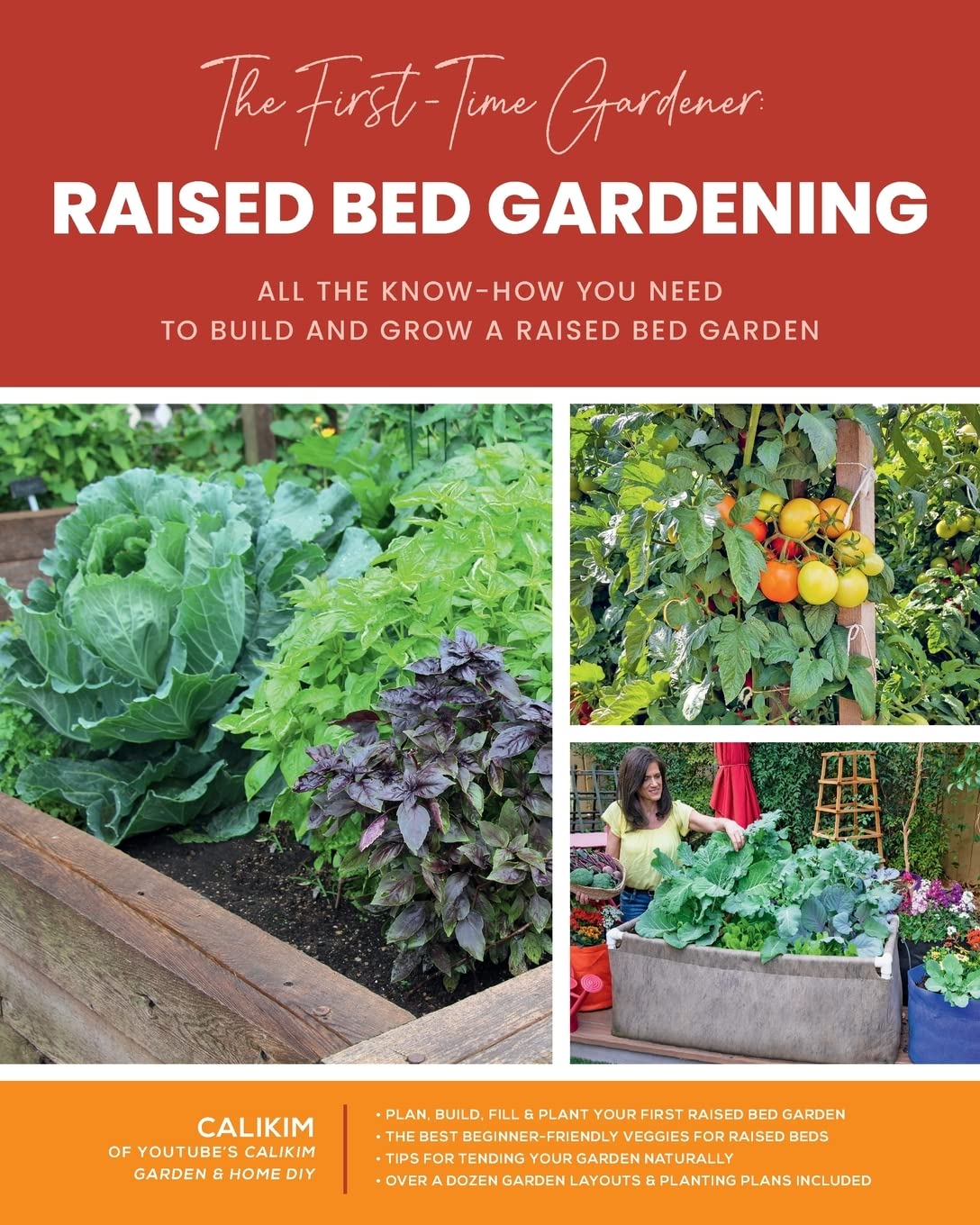
Leverage your knowledge to elevate your gardening game, especially if you’re new to raised bed gardening.
Pros
- Offers a comprehensive guide tailored for beginners
- Packed with actionable tips and insights
- High-quality publication ensures durability
Cons
- Geared more towards novices than seasoned gardeners
- Limited depth on more advanced gardening techniques
- Some readers may require additional resources for specific climates or crops
Raised bed gardening can be an enriching and sustainable way to grow your garden. It’s particularly appealing if you’re tackling it for the first time and seeking a resource that demystifies the process. ‘The First-Time Gardener: Raised Bed Gardening’ offers you a stepping stone into the world of gardening with raised beds. You’ll find the book’s approach aligns perfectly with beginners’ needs, providing a bevy of tips to kickstart your passion.
Consider the numerous advantages found within these pages, including easily digestible content for those with no prior experience. You’ll appreciate the book’s structured guidance, which renders the intimidating prospect of starting your first garden much more manageable. Moreover, the text is replete with easy-to-follow instructions and creative ideas to ensure a bountiful harvest.
While the book is an asset to newcomers, it’s important to acknowledge the potential caveats. The material might not challenge a gardener with years of toiling in the soil under their belt, and the exploration into complex topics may not suffice for those craving deeper knowledge. However, as a primer, it lays a solid foundation and points you in the right direction for further exploration, should your green thumb grow more ambitious.
Embarking on your gardening journey with this guide by your side, you’re more likely to avoid common pitfalls and learn the essentials of raised bed preparation, soil management, and plant care. Whether you aim to grow herbs, flowers, or vegetables, this guide is poised to be your trusty companion through every season.
Raised Bed Gardening Mastery Guide
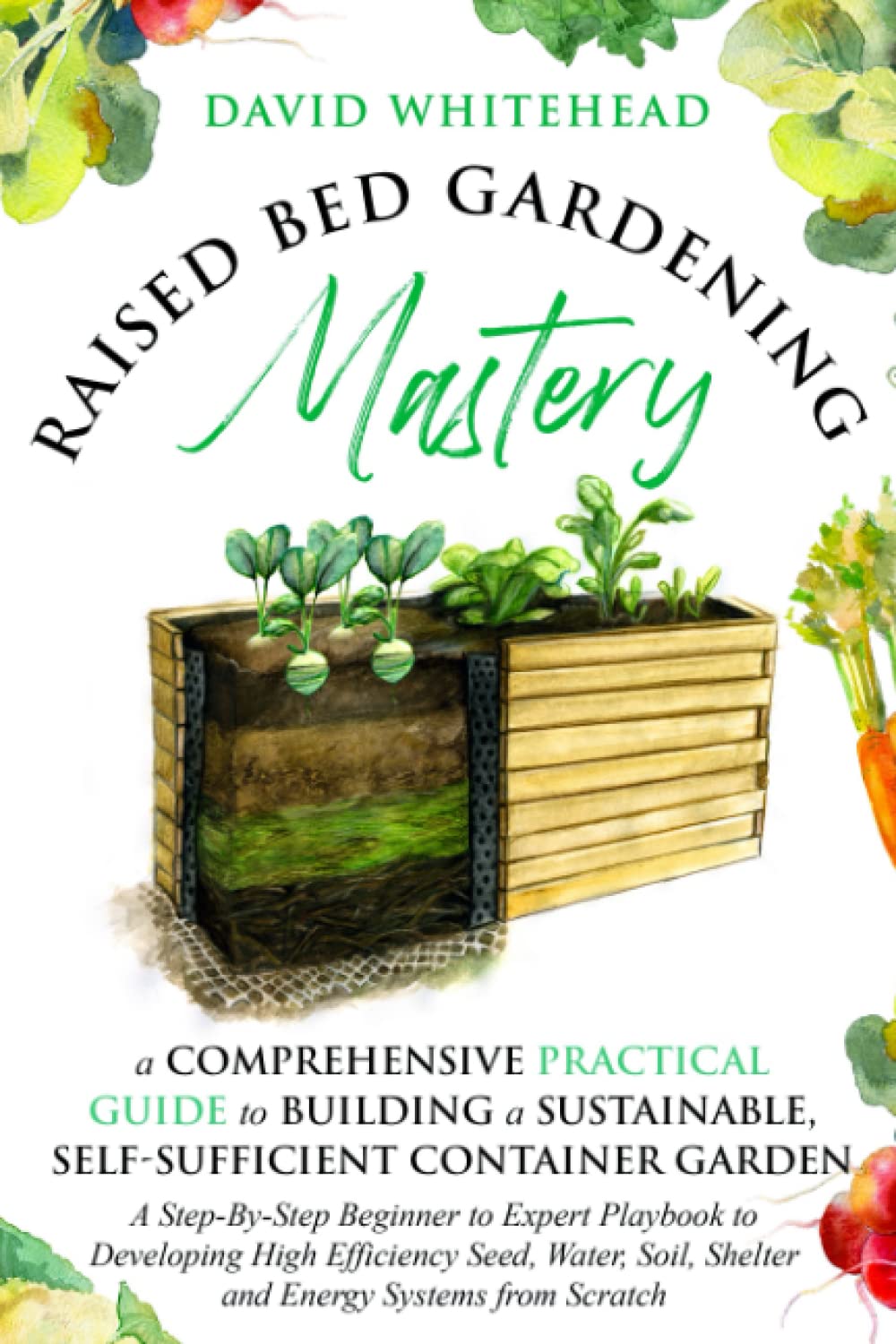
Dive into sustainable gardening with this comprehensive guide to raised bed gardening, ideal for gardeners at any skill level seeking a self-sufficient lifestyle.
Pros
- Offers a thorough understanding of raised bed gardening
- Equips you with practical, step-by-step instructions
- Enhances self-sufficiency in gardening
Cons
- Not tailored for above-ground planter boxes
- May cover familiar concepts for veteran gardeners
- Limited to ground-level raised bed methods
Raised bed gardening has revolutionized urban and suburban agriculture, providing a way to cultivate fresh produce even in limited space with poor soil. The “Raised Bed Gardening Mastery: A Comprehensive Practical Guide” promises to be an indispensable resource on your gardening shelf. It breaks down the process of building a raised garden bed from the ground up, quite literally. The guide walks you through the initial considerations, material selections, and the actual building process.
Gardening can nourish not only your body with homegrown vegetables but also your soul. This guide takes a beginner-friendly approach, ensuring you understand the basics before progressing to more intricate details of raised bed gardening. It doesn’t just tell you what to do; it explains why you’re doing it, which is key to adopting these practices for long-term success.
For those with some gardening experience, this book might retread familiar ground, but the depth could reveal new insights into sustainable practices and advanced techniques for crop rotation, pest control, and maximizing yields. Whether you’re looking to start a personal garden project or aiming to become more self-reliant, the “Raised Bed Gardening Mastery Guide” is a sound investment for your horticultural library.
Companion Planting Guide

If you’re venturing into organic gardening, this comprehensive guide could be your go-to resource for year-round produce.
Pros
- Offers a comprehensive guide to companion planting
- Tailored to beginners with step-by-step instructions
- Encourages sustainable and organic gardening practices
Cons
- May contain familiar information for experienced gardeners
- Focused primarily on raised bed gardens, not traditional gardening
- Limited to companion planting, without covering other gardening styles
Starting your own organic garden can be a rewarding challenge. Raised bed gardens provide excellent drainage, can reduce back strain, and may deter some pests. “Companion Planting in Raised Bed Gardens for Beginners” gives you the lowdown on how to maximize your garden’s potential. It helps you understand how different plants can work together to improve growth, repel pests, and lead to a bountiful harvest.
Comprehension is key when diving into a new hobby. This book breaks down the nuances of raised bed gardening in a way that’s easy to understand, making it less daunting for newcomers. You’ll appreciate learning about soil health, proper plant spacing, and the benefits of raising plants side by side. This knowledge is pivotal if you’re looking to embrace a more self-sufficient lifestyle.
Adaptation is part of the gardening journey. While the book is a substantial guide for beginners, even those with a green thumb might find nuggets of wisdom in the advanced sections. It prompts gardeners to think critically about the layout and combinations of their plants, encouraging a more efficient and productive gardening approach. This read is a worthwhile investment for anyone serious about organic gardening in raised beds.
Permaculture Gardening Guide
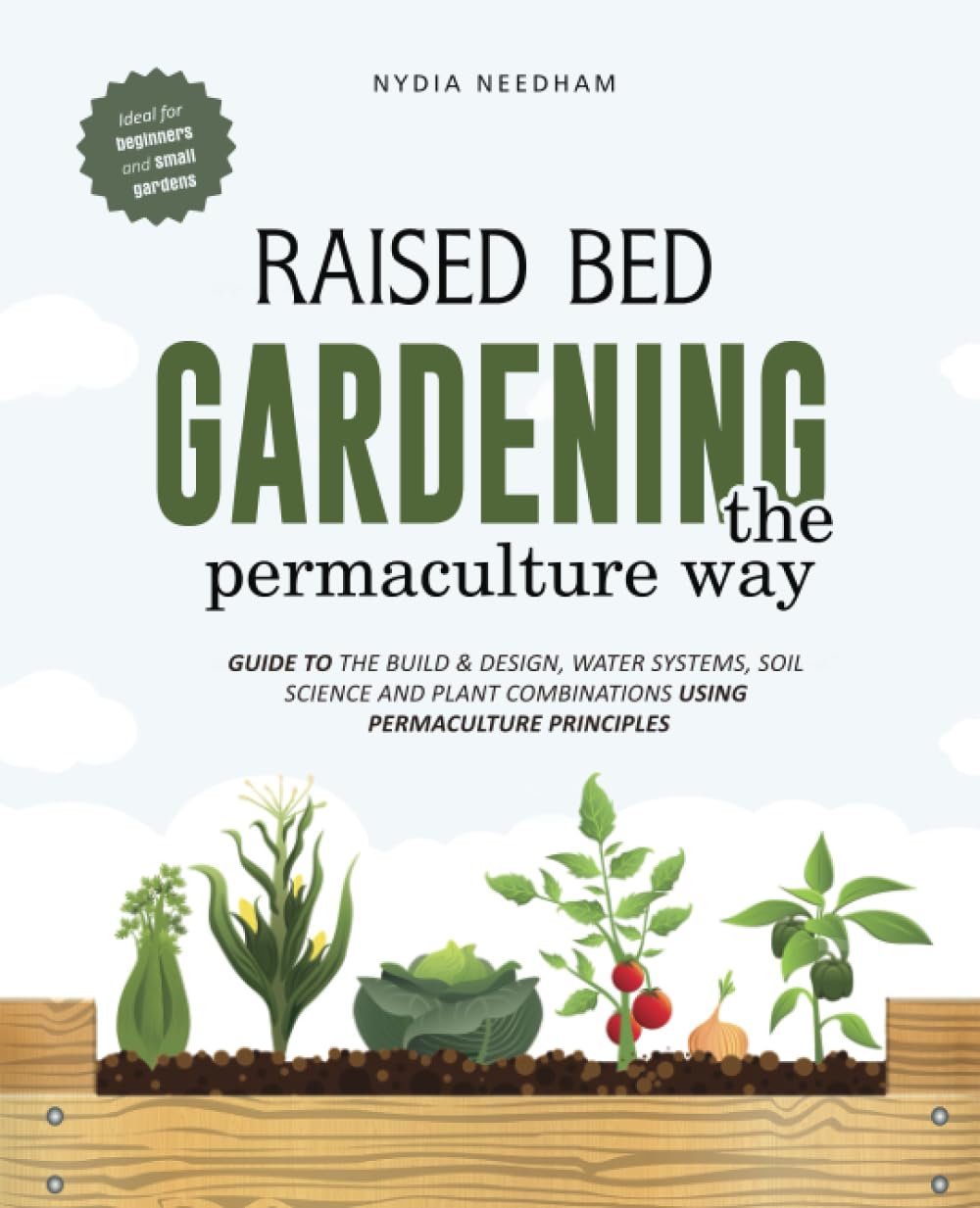
If you’re seeking a comprehensive resource to elevate your raised bed gardening, this permaculture guide may be your essential companion.
Pros
- Offers a detailed introduction to permaculture principles for the beginner.
- Provides practical advice on building, design, and water systems suited for various landscapes.
- Encourages sustainable and eco-friendly gardening practices.
Cons
- May contain some repetition across topics.
- Could be overwhelming with information for the complete gardening novice.
- Limited specifically to raised bed gardening within the scope of permaculture.
Raised bed gardening is an innovative method for growing plants that can offer you greater control over soil quality and improve overall plant health. This book, “Raised Bed Gardening the Permaculture Way,” presents a fusion of two potent approaches: raised bed gardening and the principles of permaculture. It enlightens you on the basics of raised bed construction and dives into more complex topics, such as soil science and water management, all through the lens of permaculture.
Permaculture’s philosophy emphasizes the harmonious integration of the garden with nature. As you peruse this guide, you’ll discover how permaculture’s holistic approach can drastically improve your gardening efficiency and output. This synergy benefits both the environment and your dinner table, providing clear stepping stones toward a more sustainable lifestyle.
Diving further into this book, you’ll gain insights into various raised bed designs that can be tailored to your unique space and needs. It outlines the importance of companion planting, biodiversity, and the utilization of local resources to enhance your garden’s resilience. Additionally, you’ll find that this strategic approach to gardening can minimize your workload and maximize your yields.
Raised-Bed Gardening Quick Guide

Whether you should purchase this product hinges on your desire to embark on raised-bed gardening with a well-informed approach.
Pros
- Enhances soil quality
- Improves pest management
- Optimizes space efficiency
Cons
- Initial setup cost
- Physical maintenance required
- Seasonal planning necessary
As you ponder the prospect of raised-bed gardening, “Raised-Bed Gardening for Beginners” delivers a wealth of introductory advice that’s poised to set your green thumb journey on the right path. Engage with this electronic guide, and uncover a holistic approach to cultivating your very own raised-bed garden. This resource, penned by G.F. Quinn, serves as an insightful compass for navigating the nuances of soil composition, planting techniques, and garden management.
Delving deeper, this beginner-friendly manuscript illuminates the path leading to a lush and productive organic garden within a budget. With tools you likely have on hand, the book reveals how to transform your garden space into a vibrant and sustainable ecosystem. The expertise embedded within these pages encourages a cost-effective gardening solution that stands in harmony with nature.
Finally, the guide stands out by shedding light on avoiding common pitfalls in raised-bed gardening. Through these chapters, you are equipped with knowledge to sidestep potential obstacles ranging from improper soil mix to inefficient crop rotation. Embracing the guidance offered by G.F. Quinn, you are primed to cultivate a flourishing garden that will be the envy of neighbors and the pride of your outdoor living space.
Raised Bed Product Reviews
When you get to this stage, you should have a plan either on paper or at least in your head of what you are trying to achieve. The space available will have been decided on, the types of plants you want to grow and a budget set.
Now you can delve into the realization of your efforts. Perhaps you are good at DIY and are intending to make your own raised beds? This could be a great way of saving money. Sometimes, however, it can work out less expensive to purchase pre-made units. The choice is entirely yours.
Two Main Types of Raised Beds
There are two main types of raised beds available commercially. Raised beds built from brick etc are not discussed in this review.
- Wooden Construction
- Metal Construction
In the next two sections, we discuss the pros and cons of both materials for raised beds and review some popular makes. The choice is purely down to personal preference and the style to suit your space or garden.
Wooden Raised Beds: Aesthetically Pleasing?
Wooden raised beds, in particular, offer a natural look that can integrate seamlessly into your garden’s layout, while providing a durable structure that, if properly maintained, can last for several seasons.
When selecting the perfect wooden raised bed for your garden, the type of wood is a crucial consideration. Naturally rot-resistant woods such as cedar or redwood are ideal due to their longevity and natural resistance to decay. The thickness of the wood is also a significant factor, as thicker wood can better withstand the rigors of the elements and the weight of the soil. Additionally, the size of the raised bed should cater to your specific gardening needs and available space.
You should also pay close attention to the height of the bed. A taller bed requires more soil to fill but can be easier on your back and may deter certain pests. Assembly and maintenance should not be overlooked; durable and straightforward joinery is important for longevity and ease of construction, and some wood treatments can be harmful to plants or the environment. Ensure that any wood treatments are non-toxic and safe for use in a garden setting.
Armed with knowledge about the durability of materials, size, and practical design features, selecting a wooden raised bed that caters to your gardening needs becomes a simpler task. As you move forward, consider not only how your raised bed will serve your immediate gardening goals but also how it will contribute to the garden’s overall health and aesthetics for seasons to come.
Top Picks for Wooden Raised Garden Beds
‘Elevate’ your gardening game with a selection of the finest wooden raised beds, a must-have for those seeking to optimize space, control soil conditions, and add aesthetic appeal to their outdoor areas. Embrace the advantages of raised bed gardening, whether in a spacious backyard or a modest patio. The following products have been carefully curated to suit a variety of preferences and requirements.
Giantex Raised Bed with Trellis

If you’re in the market for a garden bed that not only nurtures your plants but also adorns your outdoor space, the Giantex Raised Garden Bed with Trellis is well worth considering.
Pros
- Provides ample space for a variety of plants, complete with a trellis for climbers.
- Made from natural fir wood, delivering a sturdy and weather-resistant construction.
- Designed for excellent water drainage, keeping roots healthy and preventing rot.
Cons
- Some users report difficulties with installation and stability. We had no problems.
- Might require additional mesh for finer soil retention.
- Fir wood may not be as durable as some other hardwoods over the long term.
Setting up the Giantex Raised Garden Bed with Trellis was a treat as the natural wood scent was pleasantly strong, suggesting the freshness and quality of the material. The bed comes with everything needed, making assembly straightforward although it’s always best to have an extra set of hands to ensure stability as you put it together.
The design flawlessly integrates into your garden, enhancing its visual appeal. It’s perfect for nurturing everything from herbs to deep-rooting vegetables thanks to its depth. Moreover, the trellis makes for a beautiful and functional addition for climbing plants, such as tomatoes and beans, which need support as they grow.
Maintenance of this planter is simple due to the built-in drainage system, which automatically takes care of excess water. This is critical in preventing water-logging issues which can be detrimental to plant health. It’s also elevated, saving your back from bending over and making gardening a more enjoyable experience.
This wooden raised bed functions not only as a means to grow your plants but also serves as a charming accent to any outdoor space. It could be a smart choice for anyone looking to blend practicality with aesthetics in their gardening endeavors.
Best Choice Raised Garden Bed

Your garden will thank you for the ample space and the longevity of the Best Choice Raised Garden Bed.
Pros
- Constructed from Chinese Fir wood for durability through varied weather
- Simple setup with pre-sanded, interlocking panels and solid posts
- Delivers a significant planting area to maximize your yield
Cons
- The included liner may not be of the highest quality
- Wood may require additional treatment for longevity
- Stability could be an issue on uneven ground. Same for any of these styles.
Having recently worked with the Best Choice Raised Garden Bed, its straightforward assembly merits appreciation. The dovetail joints are cleverly designed, allowing the pieces to slide together with ease, creating a solid structure once everything is screwed in place. This design consideration ensures you won’t be fumbling for hours with confusing instructions or numerous parts.
When filled with soil and plants, the garden bed becomes a sturdy fixture in your yard. The natural aesthetic of the wood blends seamlessly into outdoor spaces, enhancing the visual appeal of your garden. It’s quite spacious, ensuring that root crops and plants have enough room to flourish.
Admittedly, the garden bed isn’t without its downsides. If you’re planning to position it over an uneven area, you may need to do some groundwork to ensure that it’s stable. The included liner, while a thoughtful addition, might not be as resilient as the rest of the garden bed, possibly necessitating a replacement in the future. To push its lifespan to the fullest, consider treating the wood with a weather-resistant sealant.
All said, the Best Choice Raised Garden Bed is a worthy contender if you seek to expand your gardening projects. It provides a robust platform for your plants, enveloping them in a pleasant wooden embrace that’s sure to last for seasons to come.
MIXC Elevated Garden Bed
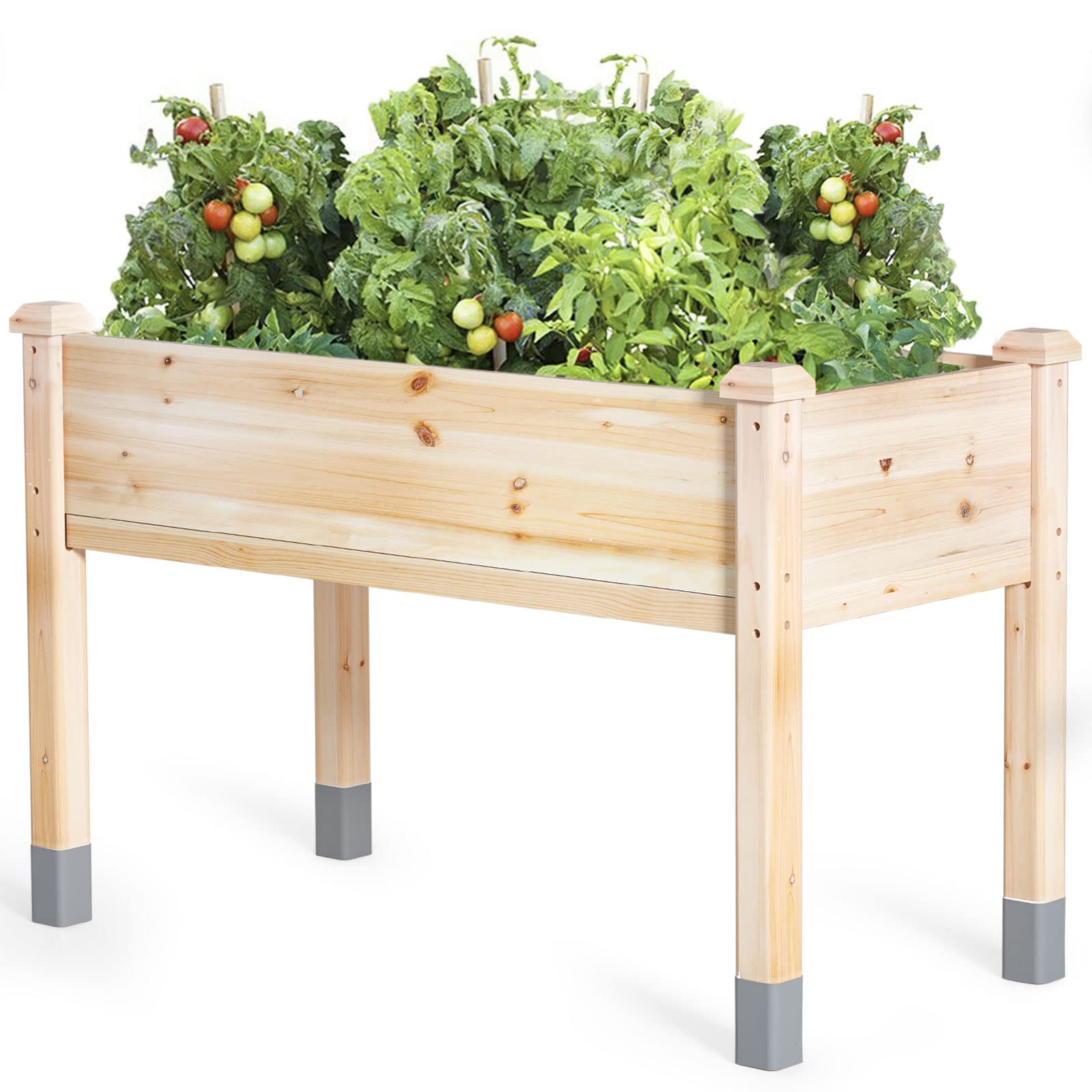
Lift your gardening experience with this robust MIXC planter box, perfect for growing your vegetables, flowers, and herbs with ease.
Pros
- Assembly is user-friendly, thanks to the pre-drilled holes and included hardware.
- Enhanced durability from its beam and column structure.
- Waterproof paint on the legs adds longevity, standing up to outdoor conditions.
Cons
- Some users reported issues with wood warping and cracking.
- May require additional sealing for extended lifespan. Recommended on most wooden styles.
- Reported damage in shipping on rare occasions.
Growing your own herbs, vegetables, or flowers becomes a breeze with the MIXC Raised Garden Bed. Its elevated design offers plenty of benefits, like preventing back strain from bending over and keeping critters at bay. The untreated fir wood used in its construction gives it a natural, organic look and is quite sturdy. My recent assembly of the MIXC bed was straightforward, and I found the provided screwdriver a nice touch.
With this raised bed, you don’t have to worry about extensive maintenance since its legs are already coated with waterproof paint. The drainage holes are a savior for heavy rains, preventing waterlogged soil which could harm your plants.
However, while using the MIXC garden bed, I did notice that some of the wood had a tendency to warp. It’s not a dealbreaker, but you might want to consider sealing the wood for even more protection from the elements. Despite this, the overall design, including the inner liner for DIY waterproofing, ensures that your plants have a secure and nurturing environment.
In terms of size, it fits well even in smaller gardens or patios, yet offers ample space to grow a varied patch. Whether it’s lettuce, tomatoes, or delicate flowers, this raised bed brings your garden to a comfortable height for easy care. On receiving the product, it met my anticipation – solid and resilient, a dependable choice for any garden enthusiast.
Yaheetech Wooden Raised Bed
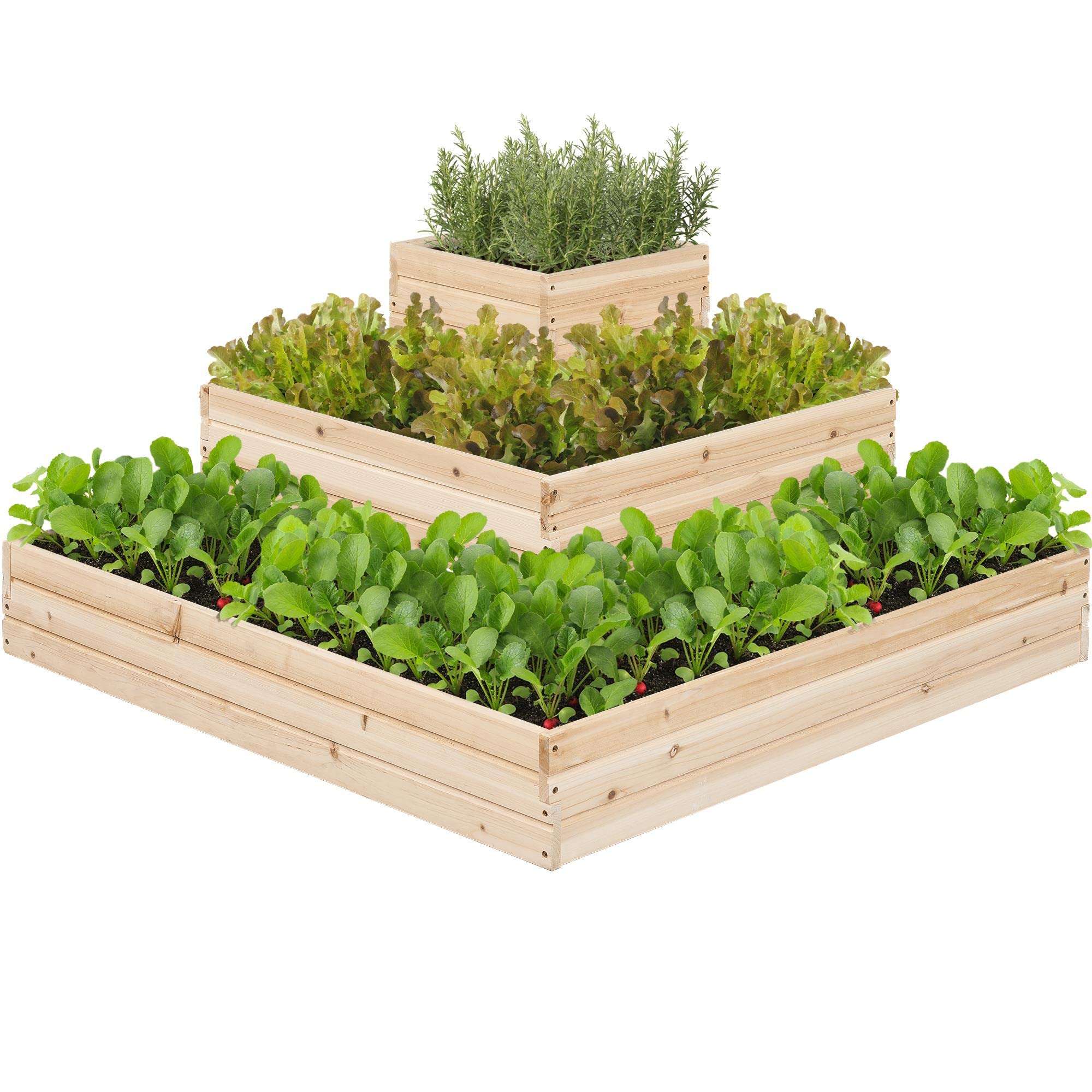
Your garden will transform with the durable and spacious Yaheetech Wooden Raised Bed, offering stress-relief through gardening.
Pros
- Provides ample growing space for a variety of plants
- Easy-to-follow assembly with a stable structure
- Suitable for creative DIY painting or staining
Cons
- Requires regular maintenance to prevent rot in humid climates
- Soil leakage might occur if not assembled with care
- Might require additional sealant for longevity. As with others!
Fresh soil filled the tiers of the new Yaheetech raised garden bed as I carefully positioned it in the sunniest part of my backyard. Its wooden aroma blended with the earthy scent of fresh soil, promising a healthy environment for my plants. The simple yet sturdy construction meant I didn’t spend hours on assembly, which was a welcome relief.
As I stood back to admire the structure, the natural wood finish begged for a personal touch. I spent the afternoon painting, turning the raised bed into a vibrant garden centerpiece. The spacious design allowed me to plant a variety of herbs and vegetables—basil, carrots, and even some dwarf sunflowers found their new home.
Over the next few weeks, I noted that despite regular watering, the wood held up without signs of immediate wear. However, I considered applying a weatherproof sealant to protect the wood and extend its life, especially since my area is prone to heavy rains. The Yaheetech Raised Garden Bed turned out to be not just a functional piece for cultivation but also a creative outlet for my gardening passion.
VIVOSUN Elevated Garden Bed

If you’re eager to kick-start your gardening adventure, this VIVOSUN raised bed makes it convenient and enjoyable to grow your favorite plants.
Pros
- Easy assembly with interlocking panels
- Durable, rot-resistant wood extends longevity
- Includes gloves and liner to protect wood and hands
Cons
- Depth may be insufficient for some deep-rooting plants
- Wood may require additional treatment against harsh weather. Sorry to repeat myself!
- Assembly may require tools despite product claims
Starting your first foray into gardening, or even expanding your green space, can be a thrilling experience with the VIVOSUN raised garden bed. Its spacious design provides ample room for various plants, from vibrant flowers to your go-to culinary herbs. Setting it up is a breeze; the panels effortlessly fit together, creating a sturdy structure in your backyard or patio.
Sustaining your lush haven requires durable materials, and fortunately, the fir wood used in this bed is known for its rot resistance. Not to mention, it comes with a protective liner and a pair of complimentary gloves, ushering in practicality alongside convenience.
On the other hand, if planter depth is crucial for your gardening plans, it’s worth noting that some root vegetables may need more space. Although assembly is promoted as tool-free, don’t be surprised if you need a screwdriver to secure everything snugly. And, depending on your local climate, consider treating the wood with an additional weather-resistant sealant to maintain its integrity over time.
To sum up, the VIVOSUN raised garden bed strikes a harmonious balance between ease of use, durability, and practical design. It stands as a worthy choice for gardeners looking to add a touch of green to their outdoor spaces without the hassle of building from scratch.
Buying Guide
Assessing Wood Quality
When selecting a wooden raised bed, the type of wood is important for longevity and safety. Look for naturally rot-resistant woods like cedar or redwood, as they can withstand the elements without chemical treatment.
- Cedar
- Redwood
Avoid pressure-treated woods if you plan to grow edibles, as chemicals used in the process can leach into the soil.
Size and Depth
Your space and the types of plants you wish to grow will dictate the size and depth of your raised bed.
- Small Plants (e.g., herbs, flowers): 6-8 inches depth
- Medium Plants (e.g., strawberries, bush tomatoes): 8-12 inches depth
- Large Plants (e.g., root vegetables, large tomatoes): 12-18 inches depth
Drainage Needs
Ensure your raised bed has adequate drainage to prevent waterlogging. Look for beds with pre-drilled holes or slats on the bottom.
- Good Drainage: Pre-drilled holes or gaps
- Poor Drainage: Solid bottoms without holes
Assembly and Maintenance
Consider how easy the raised bed is to assemble and maintain over time.
- Ease of Assembly: Pre-cut pieces, minimal tools required
- Maintenance: Look for beds that require less frequent treatment or painting to protect the wood.
Price Considerations
Be mindful of your budget, but balance cost with quality to ensure the raised bed will last several seasons.
- Initial Cost vs. Longevity: Higher upfront costs may result in a longer-lasting raised bed.
Use the table below to evaluate the features of potential raised beds:
| Feature | Importance | Notes |
|---|---|---|
| Wood Type | High | Cedar and redwood are ideal |
| Size & Depth | Varies | Depends on plant types |
| Drainage | High | Essential for plant health |
| Assembly | Moderate | Simpler is usually better |
| Maintenance | Moderate to High | Consider long-term efforts |
| Price | Varies | Higher cost can mean higher quality |
Remember, the best raised bed for you will balance these factors based on your specific gardening needs and preferences.
Metal Raised Beds: Long Life?
Metal raised beds, in particular, bring a modern twist to the concept, combining durability and style in a variety of shapes and sizes.
Metal raised beds come crafted in materials such as galvanized steel or aluminum, which stand up to the elements without succumbing to rust or decay. The longevity of these materials is a significant advantage, ensuring that your garden setup remains robust and attractive for years. Additionally, the sleek lines of metal can give your garden a contemporary aesthetic, complimenting your outdoor living space or balcony.
Perfect for those with limited space or anyone seeking to improve their gardening experience, these raised beds offer excellent drainage, pest resistance, and can even help prevent soil compaction. confidence.
When selecting a metal raised bed for your garden, consider factors like size, depth, and metal type. The size should be suitable for the amount of space you have available and the types of plants you wish to grow. Depth is crucial, as deeper beds accommodate the root systems of larger plants. When it comes to material, look for a non-toxic, corrosion-resistant metal that is safe for growing edible plants.
The following selection represents the best metal raised beds available, combining quality construction with great value to meet your gardening needs. Choose the one that best fits your space and start cultivating your plants with
Top Metal Raised Beds for Your Garden
Best Choice Metal Garden Bed
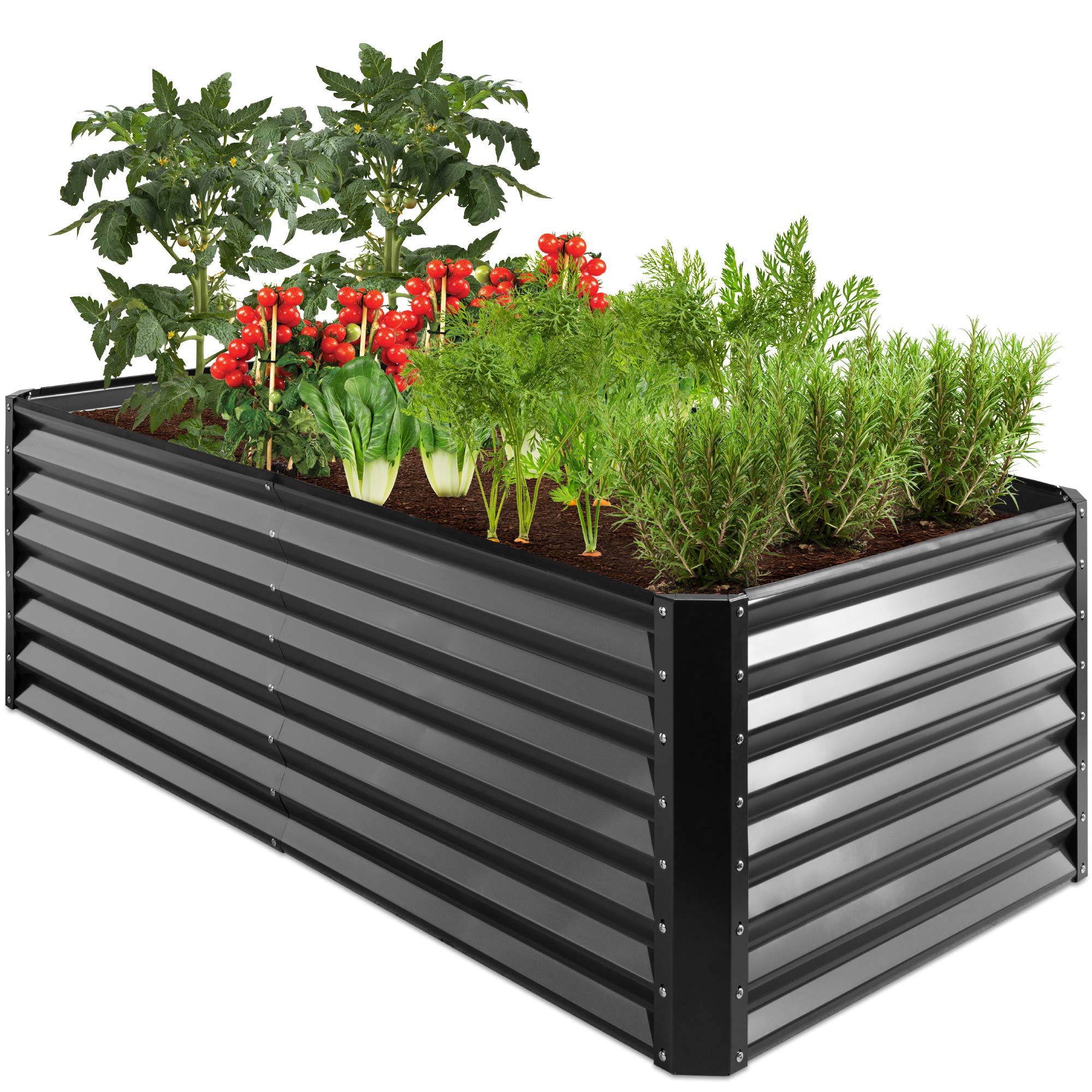
If you’re in the market for a durable and spacious option to start your garden, the Best Choice Metal Garden Bed could be your ideal match.
Pros
- Easy assembly with no tools required
- Sturdy construction featuring powder-coated steel
- Sufficient depth for root vegetables and medium-to-deep rooting plants
Cons
- Absence of a bottom panel may necessitate additional landscaping fabric or mesh
- Metal may not be as insulating as wood in colder climates
- Some reports of the material bending, indicating a need for careful handling
When considering an addition to your garden, the Best Choice Metal Garden Bed stands out for its depth, offering ample space for a variety of plants, vegetables, and flowers to thrive. The construction process is straightforward, involving beveled steel panels that connect with wingnuts and bolts. This negates the need for any additional tools, which is a bonus for gardeners seeking simplicity and efficiency.
The bed’s durability is a key highlight. Constructed with powder-coated steel, it resists wear and stands up against the elements, promising longevity. It’s a smart choice for those planning to invest in their garden infrastructure for the long term.
In terms of capacity, the bed boasts a 269-gallon volume, providing generous room for rich, nourishing soil to cultivate healthy plants. The open base design is convenient for integrating the bed into various types of garden setups, which makes it versatile as well as functional.
Furthermore, maintaining this raised bed could be less labor intensive as it avoids some of the common issues associated with wooden alternatives, such as rot and deterioration due to moisture. However, it is important to take care during assembly and use, as the metal can bend if mishandled. Despite the absence of insulation properties typical of wood, this raised garden bed is a sound investment for your gardening endeavors, provided it aligns with your specific needs and preferences.
FOYUEE Raised Garden Bed

If you’re in the market for a durable and spacious option to grow your plants, this metal raised bed is certainly worth considering.
Pros
- Highly durable with a thickened galvanized metal construction
- Open bottom design aids in drainage and pest control
- Quick and straightforward assembly process
Cons
- The material may not be as heavy-duty as traditional wooden beds
- Metal edges could pose a risk of injury if not handled carefully
- Possibility of corrosion over time if not properly maintained
Growing your own vegetables, herbs, and flowers can be extremely rewarding. A robust option like the FOYUEE Raised Garden Bed could make your gardening experience smoother. Its vast area allows for ample space to cultivate a variety of plants.
Open bottom improves drainage and if sited on soil will allow roots to find more depth. Ideal for larger plants of deep rooted veggies.
Although metal raised beds are known for their longevity compared to wooden counterparts, it’s crucial to be mindful of handling as the edges can be sharp. Moreover, to ensure its durability, it’s advisable to check periodically for any signs of rust and address them promptly.
In conclusion, the FOYUEE Raised Garden Bed is a worthwhile investment for any gardener looking for a balance between size, ease of assembly, and durability. Your green space could truly benefit from such a practical and efficient addition.
Galvanized Raised Bed

If you’re seeking a durable and easy-to-assemble solution for gardening, this metal raised bed could be an excellent choice for your outdoor space.
Pros
- Quick assembly with included tools and gloves
- Ample space for a variety of plants
- Open base for excellent drainage and root health
Cons
- May not be suitable for larger plants requiring deep roots
- Metal can conduct heat, possibly affecting plant growth in hot climates
- Requires a level surface for proper installation
When taking gardening into your own hands, you’ll appreciate how the ENJOYBASICS Raised Garden Bed reinforces efficiency with its easy setup. The kit includes all that’s needed to assemble, so you can start planting without unnecessary delay. Since there’s an open base, your plants benefit from optimal drainage and root growth, which is essential for healthy vegetables, herbs, and flowers.
Its dimensions offer a comfortable space for an array of plants, yet it’s compact enough to fit nicely in various outdoor areas. The design with safety edging is a thoughtful touch, ensuring that you can garden without worrying about sharp edges.
The galvanized material of the ENJOYBASICS Raised Garden Bed promises longevity and resistance against rust and corrosion. However, consider the placement, as metal can become hot to the touch, potentially influencing soil temperature. You’ll also need to ensure the location is even to prevent wobbling or misalignment of the bed.
Careful planning of what to plant will let you make the most of this raised bed, especially if you avoid deep-rooted plants, unless on soil. Overall, this gardening kit strikes a balance between practicality and style, making it an alluring addition to your horticultural endeavors.
Land Guard Raised Garden Bed
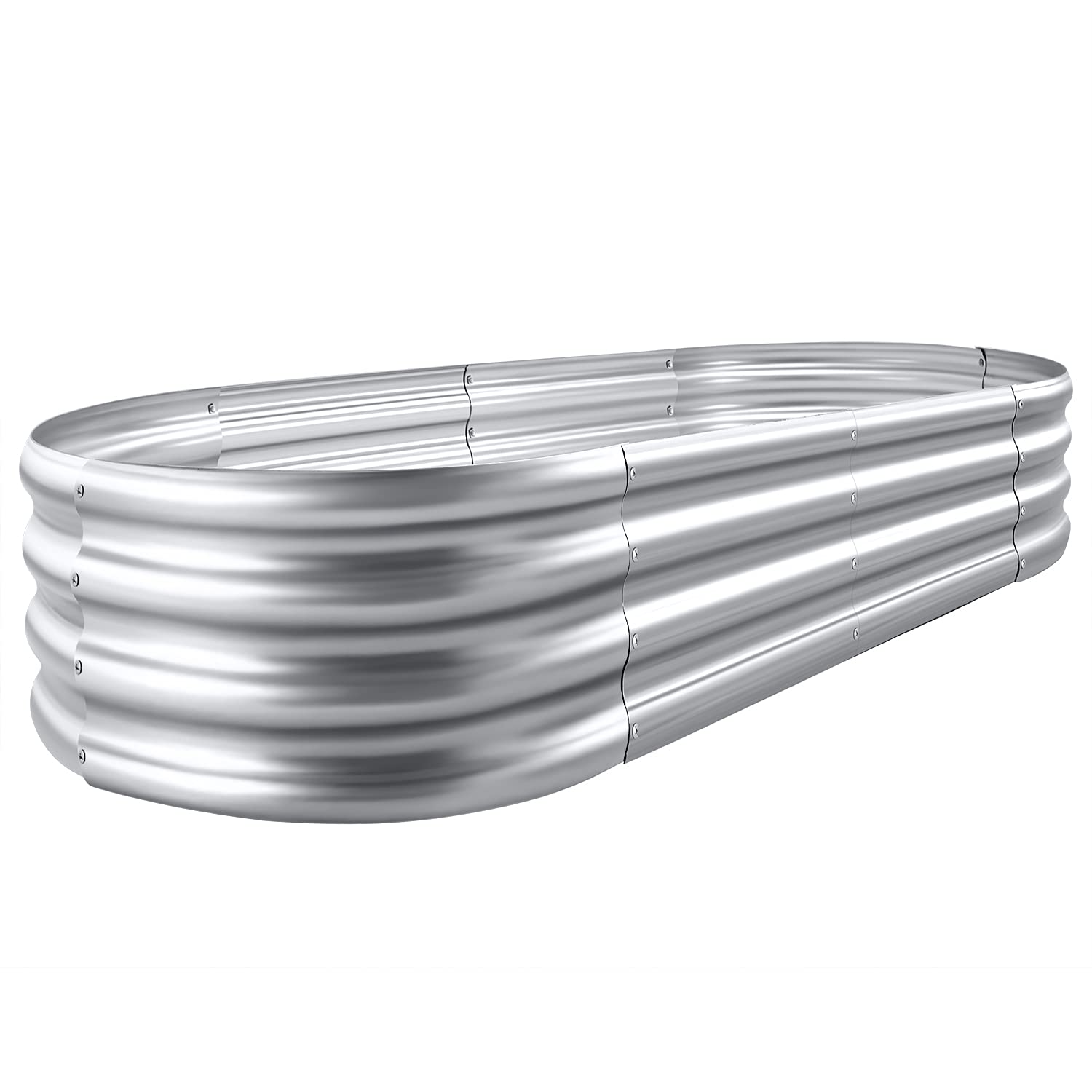
If you’re looking to start gardening without the hassle of extensive garden bed setup, the Land Guard Raised Garden Bed offers a quick and sturdy solution.
Pros
- Quick and simple assembly
- Durable, layered galvanizing for longevity
- Open base design for healthy root systems
Cons
- Sharp edges can be a safety hazard
- Possible inconsistency with supplied nuts and bolts
- May emit a strong odor initially
Gardening can be highly rewarding, yet starting a new garden bed can often be overwhelming. The Land Guard Raised Garden Bed kit minimizes your setup time, giving you a headstart on planting this season’s crop. Its efficient design lets you grow a variety of plants, including flowers, herbs, or vegetables, turning any outdoor space into a lush oasis.
Visual appeal typically enhances the gardening experience, and this raised bed’s modern oval shape ensures a neat and structured appearance in your garden. Moreover, the planter’s open-base design ensures proper drainage and aeration for plant roots, facilitating optimal growth conditions.
Durability is a cornerstone for outdoor gardening products, and this model’s double-layer galvanizing stands up against corrosion, promising several years of reliable use. However, practice caution during assembly and location choice due to potentially sharp edges. Once set up, you can look forward to a robust and productive garden, effortlessly achieved with this raised bed kit.
Rakukiri Galvanized Garden Bed

Your gardening endeavors will thrive with this durable and well-designed garden bed, ideal for a variety of plants.
Pros
- Simplifies assembly with a user-friendly design.
- Promotes healthy plant growth with an open-bottom.
- Exhibits durability with galvanized metal construction.
Cons
- May require additional tools for some users.
- Can incur additional soil costs due to large capacity.
- Possibility of sharp edges that need handling with care.
Maximizing your outdoor space for gardening can be effortlessly achieved with the Rakukiri Galvanized Garden Bed. The quality of the construction implies a secure investment for your green pursuits. The spacious dimensions allow a generous amount of soil, catering to a broad spectrum of plants, from flowers to vegetables.
The open-bottom design of this garden bed ensures a healthy root system, letting plants draw nutrients more efficiently. It also prevents waterlogging, crucial for plant well-being. With virtually no special tools needed for assembling this garden bed, it stands apart for its accessibility and ease.
While the robust framework suggests a long life, it’s worth considering the initial investment in soil to fill the bed’s large internal volume. Take care during assembly due to possible sharp edges. Wearing gloves is always recommended.
Material Choices
When selecting a raised bed, material durability is paramount. Look for weather-resistant options like:
- Untreated Cedar: Naturally rot-resistant.
- Composite: A mix of wood fibers and recycled plastic.
- Galvanized Steel: Rust-resistant and sturdy.
Size and Depth
Your garden’s size should reflect what you plan to grow.
- Shallow-rooted plants: At least 6 inches deep.
- Deep-rooted vegetables: Opt for 12 inches or more.
- Consider width and length for garden space and reach.
Assembly and Maintenance
Ease of assembly varies; some beds require basic tools, others are tool-free. Maintenance depends on the material:
- Wood: May need occasional sealing.
- Metal: Simply needs cleaning.
- Plastic/Composite: Low upkeep, high longevity.
Drainage and Soil
Good drainage is essential to prevent waterlogged soil.
- Look for beds with built-in drainage holes.
- Some models may include a bottom to protect from underground pests.
Additional Features
Optional features can enhance convenience.
- Trellises: Support climbers like tomatoes and beans.
- Greenhouse Covers: Extend growing seasons.
| Features | Benefits |
|---|---|
| Durable Material | Longer lifespan, less upkeep |
| Appropriate Depth | Matches plant needs |
| Easy Assembly | Saves time and effort |
| Effective Drainage | Healthier plant growth |
| Extra Accessories | Customizable gardening |
Choose based on your unique gardening needs, balancing cost with functionality.
Frequently Asked Questions
Raised bed gardening is a great method to grow your own plants. Below are answers to common questions ensuring your gardening experience is rewarding and productive.
What materials are recommended for constructing a raised garden bed?
For raised garden beds, durable wooden materials like cedar, redwood, or pressure-treated lumber are recommended. They resist decay and provide long-term support for your garden. Alternatively metal has some advantages.
How can one build a raised garden bed on a budget?
To build a raised bed on a budget, use repurposed materials like untreated pallets or fallen logs. Local recycling centers or construction sites may offer affordable materials. Care should be taken with the treatment of wood especially if growing edible crops.
What are the most suitable dimensions for a raised garden bed to ensure healthy plant growth?
Aim for your raised garden bed to be 4 feet wide by 8 feet long and at least 12 inches deep. This allows for ease of reach and sufficient root growth.
Which vegetables thrive in a raised garden bed environment?
Vegetables like tomatoes, lettuce, carrots, and peppers thrive in raised garden beds due to improved drainage and soil quality.
Can you list some common challenges associated with raised bed gardening and how to address them?
Common challenges include soil compaction and nutrient depletion. Combat these by avoiding stepping in the beds and by replenishing the soil with compost seasonally. Depth of soil for roots can also be an issue depending on the crops/plants grown.
What are essential maintenance practices for raised garden beds throughout the growing season?
Regular weeding, mulching, and consistent watering are vital for raised garden beds. Also, rotate crops and refresh soil annually to prevent disease and nutrient depletion. Check the structure for damage either from rot if wooden, or rust if metal. Remedy where applicable.
Some of the links in posts are affiliate links. We only recommend information or products of the highest quality from resources we trust. Disclaimer
Together, we can make it- ‘Easy Peasy Gardening’ for you!
Happy gardening! 🌻