Hydroponics For Beginners: A Set Up Guide

If you’re interested in hydroponics and have been curious about how to set up your own hydroponic system, you’re in the right place. In this comprehensive guide, I’ll walk you through the process step by step, providing valuable insights and suggestions to ensure your hydroponic for beginners journey is a success. Whether you’re a seasoned gardener or a complete novice, I’ll break down the process into easy-to-follow instructions that will have you growing fresh produce with ease.
What is Hydroponics?
Understanding Hydroponics – The Basics
Let’s start by explaining what hydroponics is. It is a modern method of growing plants without soil, where the plants receive all the necessary nutrients through a nutrient-rich water solution. This innovative approach to gardening has gained significant popularity in recent years due to its efficiency and ability to produce high yields in limited space.
Why Choose Hydroponics?
- Year-round Growing: One of the primary reasons to opt for hydroponics is the ability to grow plants year-round, regardless of the season or climate conditions. hydroponics for a beginner can seem daunting, but with the right setup, you can have fresh produce in any weather.
- Water Efficiency: Hydroponics is renowned for its water-saving capabilities. It uses significantly less water than conventional soil-based gardening, making it an environmentally responsible choice.
- Enhanced Plant Growth: Hydroponic plants often experience faster growth rates and tend to be healthier. This is because they receive precisely the nutrients they need in an easily absorbable form.
Setting up Your Hydroponic System
Step 1 – Choose the Right Location
The first step in setting up your hydroponic system is selecting the perfect location. Whether you plan to house your system indoors or outdoors, consider the following factors:
- Sunlight: Ensure your chosen location receives adequate sunlight or has the necessary artificial lighting.
- Accessibility: Make sure the area is easily accessible for maintenance and harvesting.
- Climate: Consider the local climate, as extreme temperature fluctuations can affect your system.
- Safety: Ensure safety precautions, especially if you have children or pets.
Remember, water is a significant component in hydroponics, so the chosen area must be able to support the weight of the system and handle potential spillages. Consider the safety aspects if you have small children or pets. Not only from the water but tampering with settings and potentially harming your crops.
If you’re planning to start with a smaller system that can be comfortably housed indoors, there are still crucial aspects to address.
Regardless of your system’s size and location, remember that water is exceptionally heavy, wherever your tank rests. Therefore, you must ensure that the ground or floor can bear this extra weight without any concerns.
Floor Resilience: Ask yourself if the area you’ve chosen is suitable for dealing with moisture. Despite your best efforts, it’s only natural that occasional spills will occur during system maintenance. Your chosen space must be able to handle these wet conditions.
Proximity to Resources: Check if there’s a water supply close by, as easy access to water is fundamental for your hydroponic system. Additionally, assess whether there’s a suitable electrical installation for wet conditions. It’s vital to ensure that your electrical setup is certified to guarantee safety since electricity and water don’t mix.
Step 2 – Growing System
Decide if you are just going to try a small system or go ‘All In ‘ with a much larger system.
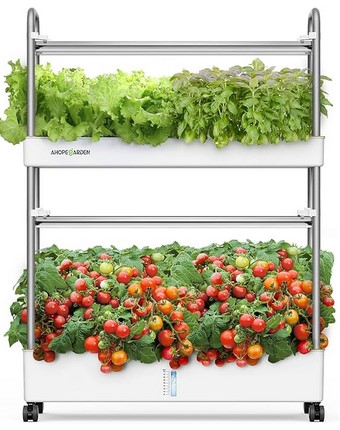
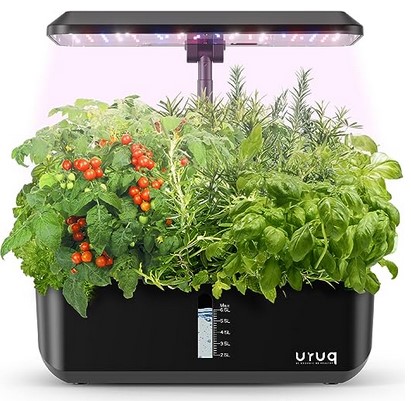
Hydroponics systems are available in many sizes and depending on budget can include everything needed to get started. Obviously, systems vary and care should be taken when choosing. The larger systems typically hydroponics gardens, include lights and pumps for water circulation. However smaller starter kits are a good way to ‘dip your toe in’, if you’ll excuse the pun! Otherwise, you can source the essential components like a nutrient solution, growing medium, containers, and adequate lighting and design a system to suit your needs. (Note: The Images below are not to scale)
Step 2 – Selecting the Right Plants
The success of your hydroponic system depends on selecting the right plants. Start by researching which plants thrive in hydroponic environments. Leafy greens like lettuce and herbs such as basil are excellent choices and the easiest hydroponic plants for beginners. Take the time to understand the specific requirements of your chosen crops, including light, temperature, and space.
Consider what are your plant preferences for your hydroponics system. While you might not have a clear answer right away, your plant choices can significantly influence the type of system that is most suitable.
Your choice will determine the growing beds required in nurturing longer-term fruiting crops like tomatoes, peppers, and cucumbers. If you are leaning towards leafy greens such as various lettuce varieties, Kale, and Chard, then a different bed might be required.
To maximize your options, some enthusiasts opt for a combination of different beds within the same system. This approach provides flexibility for cultivating a diverse selection of plants. Keep in mind that your plant preferences, along with factors like growth timing, will also impact your selection of lighting systems, temperature control, and nutrient management requirements, among other considerations.”
Step 5 – Lighting and Temperature Control
Proper lighting and temperature control are crucial factors for successful hydroponics. Depending on your chosen plants, you may need to invest in specialized grow lights to provide the right amount of light. Additionally, maintain suitable temperature levels to create an ideal environment for your crops.
Step 6 – Water and Air Circulation
Efficient water and air circulation are essential for delivering nutrients and oxygen to your plant roots. Adequate oxygenation is crucial for plant health. Ensure that your hydroponic system provides sufficient aeration to prevent root rot and enhance nutrient absorption. Regular testing is essential to maintain the system’s efficiency and get the best results. Aim for weekly checks on whether the nutrient solution is balanced and the pH levels are correct.
Step 7 – Pest and Disease Control
Hydroponic systems are not immune to pests and diseases. Preventive measures, such as maintaining a clean and controlled environment, are essential. Regularly inspect your plants for any signs of trouble and take action promptly to protect your crops. Maintaining a ‘relative humidity’ at 50-70% humidity will prevent spore germination for many diseases and will offer the best compromise for both disease prevention and plant growth.
Step 8 – Harvesting and Enjoying Your Produce
One of the most satisfying aspects of hydroponic gardening is harvesting and enjoying your homegrown produce. Unlike traditional gardening, hydroponics offers the advantage of year-round growing, ensuring a continuous supply of fresh, organic vegetables and herbs.
Troubleshooting Common Issues
Step 9 – Identifying and Solving Problems
No gardening journey is without its challenges. In hydroponics, common issues may include nutrient imbalances, plant diseases, or equipment malfunctions. The key is to identify these problems early and address them promptly to protect your crops.
Step 10 – Continuous Improvement
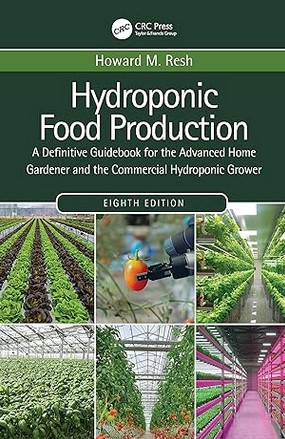
Hydroponics is an evolving practice, and there’s always room for improvement. Embrace the idea of continuous learning and fine-tuning your system. With time and experience, you’ll transform from a hydroponics beginner to an expert gardener, achieving even better results. This book is a great resource for additional reading.
Conclusion
Congratulations! You’ve now learned the basics of setting up a hydroponic for beginners system. This innovative gardening method offers numerous advantages, from year-round growing to efficient water use. As you embark on your hydroponic journey, remember that patience and experimentation are key. With dedication and effort, you’ll become a proficient hydroponic gardener, enjoying the benefits of fresh, homegrown produce.
1. How much space do I need for a hydroponic system at home?
► The space required depends on the scale of your system. Small setups can fit on a tabletop, while larger systems may need a dedicated area in your home or garden.
2. What plants are best suited for hydroponics, especially for beginners?
► Leafy greens like lettuce and herbs such as basil are excellent choices for beginners. They are relatively easy to grow and adapt well to hydroponic systems.
3. How often should I check the nutrient solution and pH levels in my hydroponic system?
► Regular monitoring is essential. Aim for weekly checks to ensure the nutrient solution is balanced and the pH levels are within the appropriate range.
4. Can I use tap water in my hydroponic system, or should I use filtered water?
► It’s recommended to use filtered or distilled water to avoid introducing impurities or contaminants to your hydroponic setup.
5. Is hydroponics suitable for growing fruiting plants like tomatoes and peppers?
► Yes, hydroponics can successfully grow fruiting plants like tomatoes and peppers. However, they may require additional support and specific nutrient adjustments to make them grow the best.
Congratulations! You’ve now learned the basics of hydroponics for the beginner. this guidance is about the basic requirements and the ins and outs of setting up and maintaining your hydroponics system. It’s a rewarding endeavor that not only provides you with fresh, organic produce but also helps conserve water and reduce waste. Remember that patience and experimentation are key with hydroponics and with time and effort, you’ll become a proficient hydroponics gardener. Don’t forget to check out my other post on the Difference Between Hydroponics and Aquaponics for some further reading and resources.
Don’t forget to read up and explore more about hydroponics and discover the endless possibilities this gardening method offers.
Some of the links in posts are affiliate links. We only recommend information or products of the highest quality from resources we trust. Disclaimer
Together, we can make it- ‘Easy Peasy Gardening’ for you!
Happy gardening! 🌻