Aquaponics For Beginners: A Set Up Guide
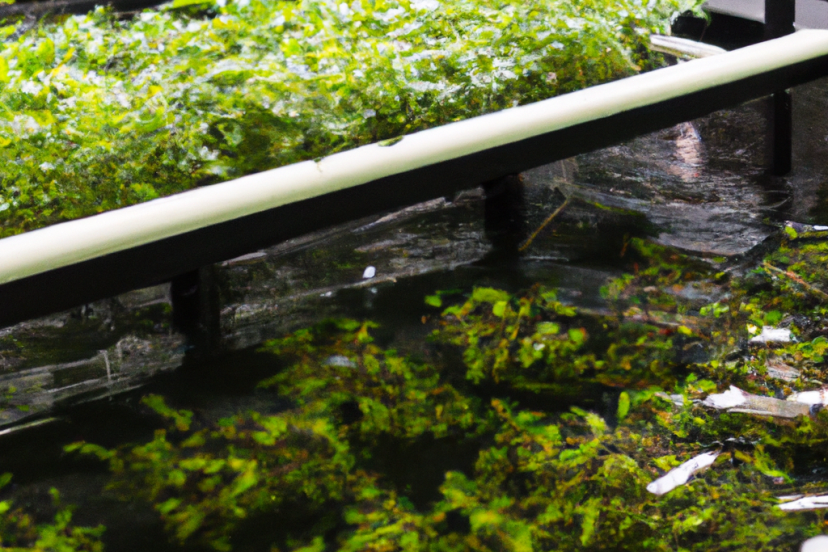
If you’re interested in Aquaponics for Beginners and have read my other post on aquaponics and hydroponics, then I’m excited to guide you through the process of setting up your very own aquaponics system. In this comprehensive guide, I’ll provide you with the detailed steps and valuable tips you need to consider to ensure your aquaponics venture is a resounding success. Whether you’re a seasoned gardener or a complete novice, I’ll break down the process into easy-to-follow instructions that will have you growing fresh produce with minimal effort.
What is Aquaponics?
Understanding the Aquaponics For Beginners – The Basics
Let’s start by explaining what aquaponics is. It’s a sustainable method of agriculture that combines aquaculture (raising fish) and hydroponics (growing plants without soil) in a symbiotic system. This ingenious setup allows fish waste to fertilize the plants, while the plants naturally filter the water for the fish. It has become a much more talked about subject in garden design than it was even a few years ago.
Why Choose Aquaponics?
- Eco-Friendly Farming: Discover why aquaponics farming is an environmentally responsible choice for growing food.
- High Yields, Low Space: Learn how you can produce a significant amount of food in a small area.
- Minimal Maintenance: Explore the low-maintenance aspect of aquaponics compared to traditional gardening.
Setting up Your Aquaponics System
Step 1 – Choose the Right Location
Find the perfect spot for your system, considering sunlight, accessibility, and climate. Firstly you will need to decide if your tank is going to be outdoors or indoors. You might be intending to start with a small system that can be housed indoors. Regardless, water is very heavy wherever the tank is to be sited. The ground must be strong enough to carry the extra weight. Is the area suitable for when the floor gets wet? No matter how careful you are, there will be the expected spillages that are bound to happen when cleaning the system. Is there a water supply close by and electricity available suitable installed for wet conditions? Electricity and water don’t mix – so make sure any installation is certified.
Ensure there is adequate ventilation to keep the humidity level down. Consider the safety aspects if you have small children or pets. Not only from the water but tampering with settings and potentially harming your fish.
There are a number of great books available which will help and guide you in more detail. Learn more here
Step 2 – Selecting the Right Fish
Explore various fish options to ensure you pick the best fish for aquaponics that suit your preferences and climate. Find out what fish are available and allowed locally. Will you want to eat the fish you raise? Depending on the variety you choose, will decide if the tank needs to be heated at an additional cost. Find out if there is a local group you can either join or ask for advice.
Step 3 – Building the Fish Tank
Get detailed instructions on constructing or buying the ideal fish tank.
Step 4 – Designing the Grow Bed
Learn how to create a suitable grow bed for your plants. deciding on which plants you want to grow will guide you to the most suitable containers and beds. (Also see Step 8)
Step 5 – Plumbing and Circulation
Understand the plumbing essentials for efficient water circulation.
Step 6 – Beneficial Bacteria
Discover the importance of beneficial bacteria and how to establish them in your system.
Step 7 – Choosing the Right Plants
Explore the best plants for your aquaponics system and their compatibility with fish.
Step 8 – Planting and Caring for Your Garden
Learn how to plant and maintain your crops for maximum yield.
Consider what are your plant preferences for your aquaponics system. While you might not have a clear answer right away, your plant choices can significantly influence the type of system that is most suitable.
Your choice will determine the growing beds required in nurturing longer-term fruiting crops like tomatoes, peppers, and cucumbers. If you are leaning towards leafy greens such as various lettuce varieties, Kale, and Chard, then a different bed might be required.
To maximize your options, some enthusiasts opt for a combination of different beds within the same system. This approach provides flexibility for cultivating a diverse selection of plants. Keep in mind that your plant preferences, along with factors like growth timing, will also impact your selection of lighting systems, temperature control, and nutrient management requirements, among other considerations.”
Maintaining Your Aquaponics System
Step 9 – Water Quality Management
Understand the key factors that influence water quality and how to maintain it. Regular testing is essential to maintain the system’s efficiency and get the best results.
Step 10 – Feeding and Monitoring Fish
Get tips on feeding your fish and monitoring their health. The fish are an equal part of the equation, but without them, the whole system fails. They can be expensive to buy when starting up, so keeping them healthy is a priority. Before purchasing any fish, read up on how to look after your fish and how to keep them healthy. A little money, time, and effort spent at the outset could save a lot of heartache should your fish become unwell.
Step 11 – Nutrient Management
Learn how to balance the nutrients in your system for optimal plant growth.
Step 12 – Pest and Disease Control
Discover effective methods to protect your plants and fish from pests and diseases.
Step 13 – Harvesting and Enjoying Your Produce
Celebrate the fruits of your labor by harvesting and enjoying fresh, homegrown produce.
Troubleshooting Common Issues
Step 14 – Identifying and Solving Problems
Find solutions to common issues like nutrient deficiencies, fish health problems, and system malfunctions.
Step 15 – Continuous Improvement
Learn how to fine-tune your system to improve from aquaponics for a beginner to an expert and gain even better results over time.
Conclusion
Congratulations! You’ve now learned the basics of aquaponics for beginners. Guidance about the basic requirements and the ins and outs of setting up and maintaining your aquaponics system. It’s a rewarding endeavor that not only provides you with fresh, organic produce but also helps conserve water and reduce waste. As you embark on your aquaponic journey, remember that patience and experimentation are key. With time and effort, you’ll become a proficient aquaponics gardener. Don’t forget to check out my other post on the Difference Between Hydroponics and Aquaponics for some further reading and resources.
Some of the links in posts are affiliate links. We only recommend information or products of the highest quality from resources we trust. Disclaimer
FAQs
1. How much space do I need for an aquaponics system at home?
► The space required depends on the scale of your system. Small setups can fit in a corner of a room, while larger systems may need a dedicated greenhouse or outdoor area.
2. What fish species are recommended for beginners in aquaponics?
► Tilapia and goldfish are popular choices for beginners due to their hardiness and adaptability.
3. How often should I test the water quality in my aquaponics system?
► Regular testing is crucial. Aim for weekly testing, especially when your system is new, and adjust as needed.
4. Can I use rainwater in my aquaponics system?
► Yes, rainwater can be an excellent source for your system, provided it’s collected and stored properly.
5. Is aquaponics suitable for growing specific types of plants, like herbs or tomatoes?
► Aquaponics is versatile and can accommodate a wide range of plants, including herbs, tomatoes, lettuce, and more.
Now that you’re armed with knowledge and inspiration, it’s time to dive into the exciting world of aquaponics.
Together, we can make it- ‘Easy Peasy Gardening’ for you!
Happy gardening! 🌻